You are scrolling through saved photos, trying to decide between a style that takes three hours and one you can do yourself. The braid you pick says something about how much time you actually have, not just what you like on a screen. Which is why Charming Braids Styles 2027 fill so many saved boards. They balance polish with reality.
16 looks that span from intricate salon work to weekend-friendly twists. Each one comes with the honest timing, the texture it needs, and the upkeep rhythm that keeps it from looking tired by Wednesday. For anyone who wants a braid that actually works with her schedule, not against it.
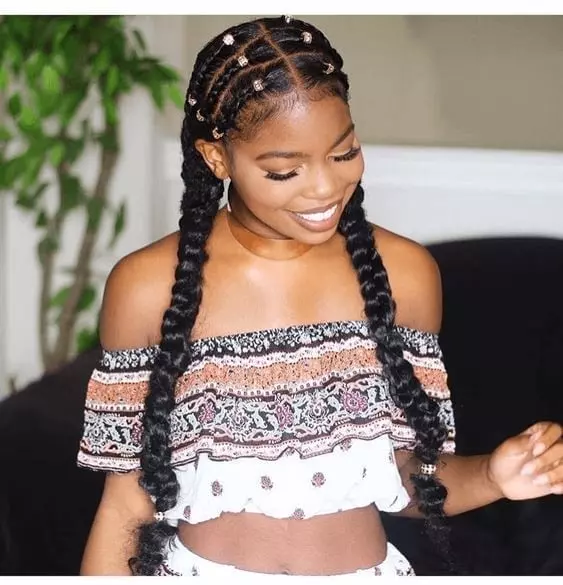
Thick cornrows with large chunky braids and beads
A middle part splits the scalp into neat cornrows that gather into two large, chunky braids. Small sparkling beads catch the light at regular intervals, adding weight and a metallic clink with each turn of the head. It works best for thick hair starting at shoulder length. The catch: very fine strands will show scalp between the cornrows, and the beads require secure anchoring to avoid slipping. Book it as two large chunky braids with beaded accents. Expect to sit for several hours, precision parting and bead threading take time.
Numerous box braids with blonde and red highlights
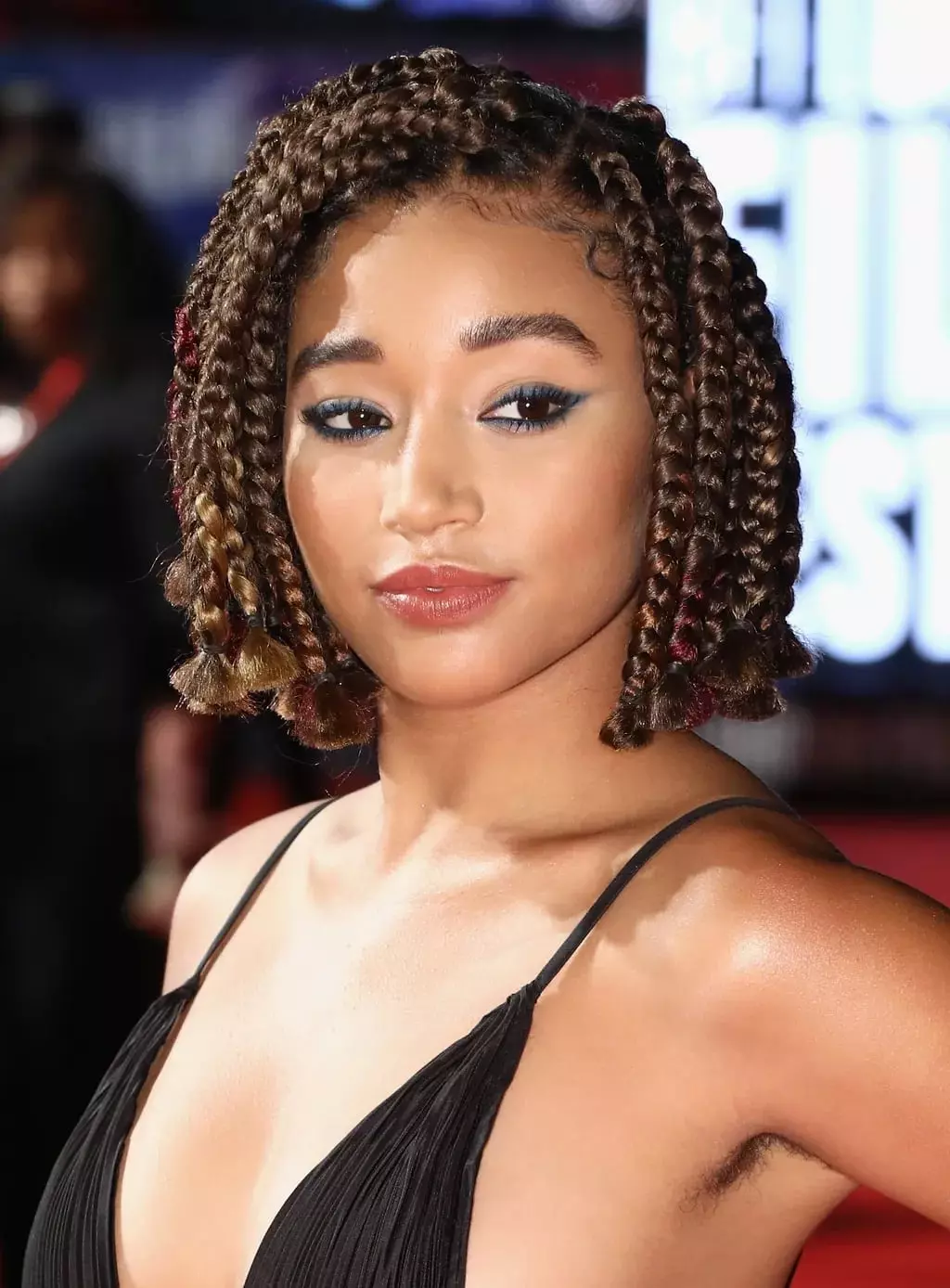
Solid-color braids feel straightforward; these add dimension through blended blonde and red highlights concentrated toward the ends. A dark brown base keeps the look grounded, while colorful threads wrap a few braids for extra texture. You need thick hair starting at shoulder length for the highlights to read clearly. The contrast is the point here. Tell your colorist: box braids with blended blonde and red highlights at the ends. Wavy texture from the braiding process holds well for weeks, though the colored ends may fade sooner than the base.
Neat medium-sized braids with loose baby hairs
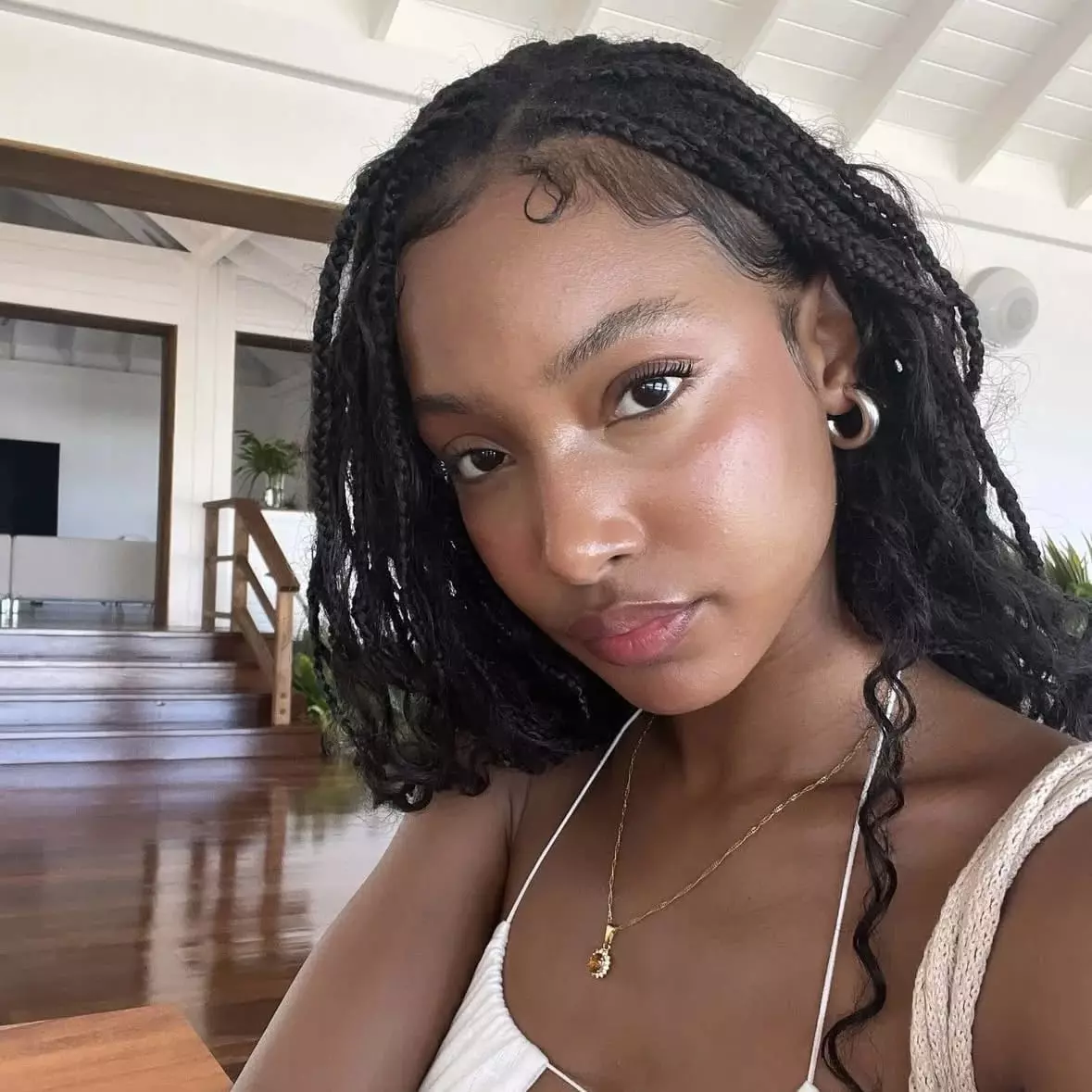
Does the hairline feel too exposed with most braided styles? Medium-sized braids combed back from a middle part leave room for soft baby hairs around the face. Thick, wavy texture gives each braid body, and the black shade keeps the look clean. Those with square or angular face shapes benefit from the softening effect near the jaw. This style is best for someone who wants a slightly relaxed hairline. The loose edges are deliberate. The finish requires steady hands and a good edge brush.
Long box braids with intricate wavy baby hairs
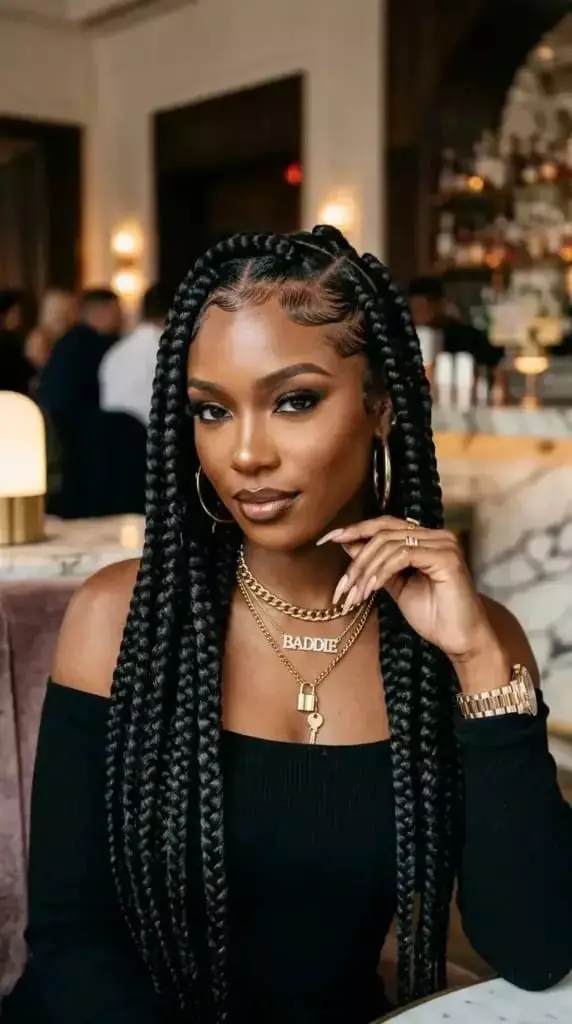
Wavy baby hairs along the hairline turn a standard box braid set into something more deliberate. A middle part stays clean, while each curved wave is shaped with gel and a small brush. Thick, black braids fall past the shoulder, creating density that looks dramatic. The drawback: that intricate hairline work adds about an hour to the appointment and needs careful maintenance to avoid frizzing. Softening round and square face shapes is the trade-off for the extra effort. Ask your stylist for long box braids with intricate wavy baby hairs. Sleep with a silk scarf to preserve the waves.
Neatly sectioned cornrows on dark straight hair
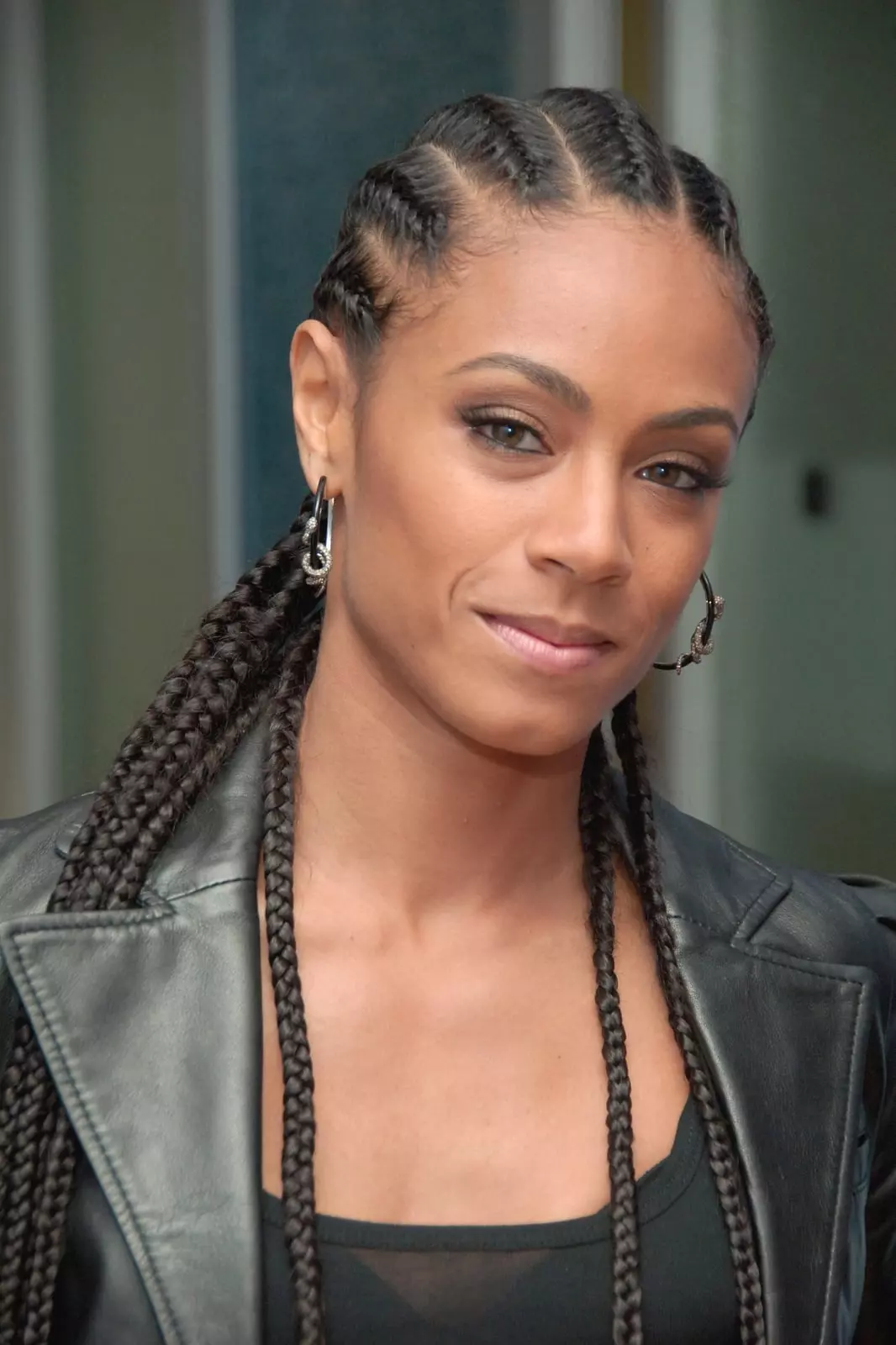
Straight, thick hair provides the cleanest canvas for cornrows. Each section sits flat against the scalp with no frizzy edges. A middle parting divides the crown into symmetrical rows that transition into thick braids at the nape. The precision required makes this a salon-only project; DIY attempts rarely achieve the even tension needed. This style offers a structured, neat look for work or everyday wear. The straight texture holds the pattern crisp for up to three weeks with proper edge control.
Clear and white beads on long box braids
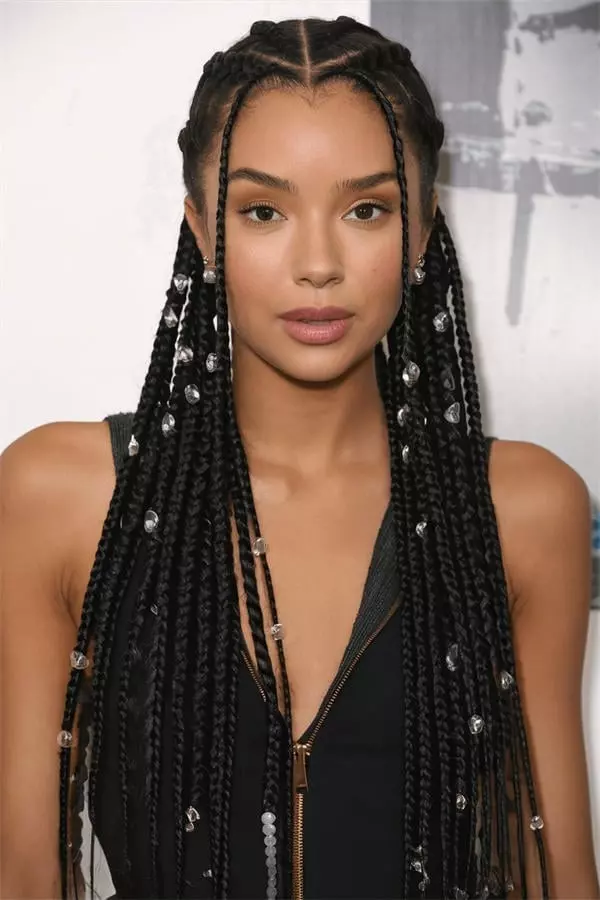
A bead-free braid is a quiet choice. This one adds clear and white beads to long, thick box braids in a deep black hue, and you hear the difference. The middle part keeps the face-framing plaits symmetrical. Not for anyone who values silence over style, those beads click with every turn of the head. The catch: beads snag on scarves and pillowcases, so a silk wrap at night is not optional. Styling time runs long; this is a salon-leaning look that demands patience and a steady hand. Toning is not the issue here, black holds its depth, but the beads need occasional tightening. Wear it for an event where you want your hair to make a sound beyond a compliment.
Cornrows leading into long thick box braids
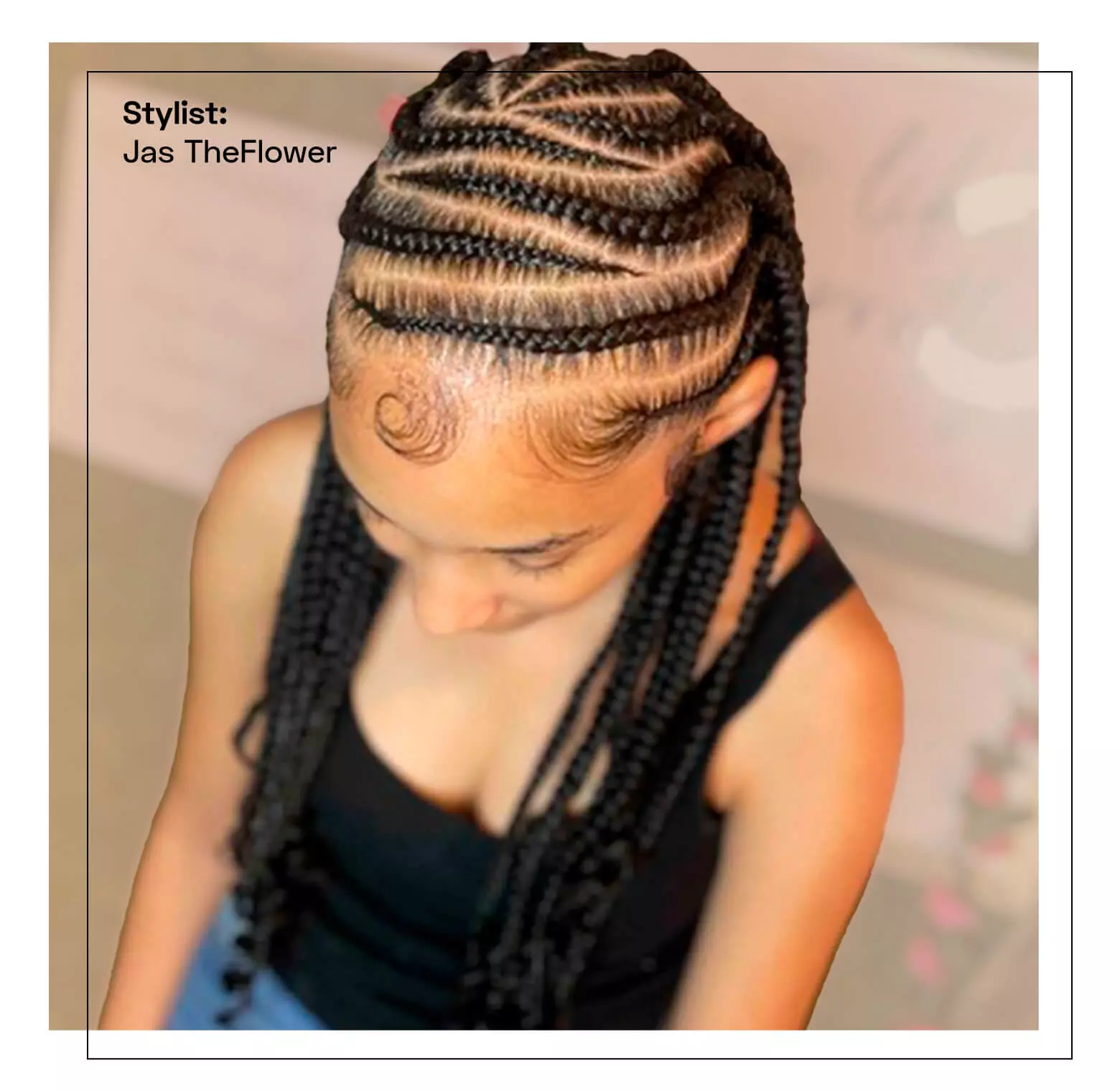
Geometric cornrows meet long, thick box braids in a single design with a clear transition. The side view shows the pattern: straight lines at the scalp that flow into uniform braids cascading down the back. You need thick hair starting at shoulder length to support the weight. This style builds visual tension between the two textures. Upkeep is straightforward: a trim every eight weeks to keep the ends clean, and a scalp oiling routine to prevent dryness. The drawback is the salon time. Precision cornrows require a steady hand and several hours in the chair. Worth it for the geometry.
Sleek neat look with uniform box braids
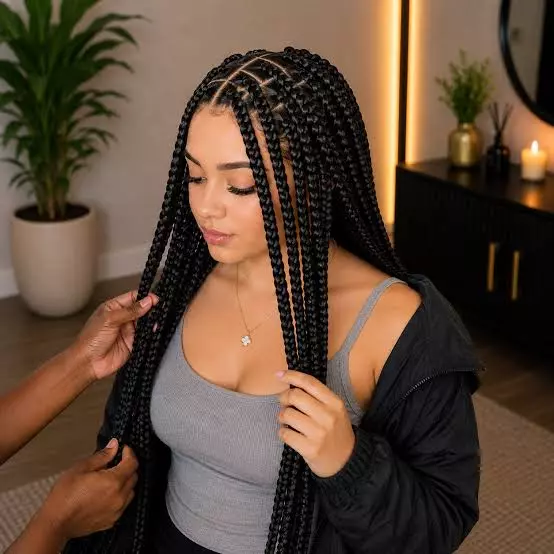
Contrast this with a style that leans into texture mixing. This one stays uniform. Long, thick box braids, parted down the middle and arranged in neat rows, create a consistently neat look. The black shade deepens the sleek effect. Suits thick hair that can hold the weight without pulling at the roots. Pass when you prefer face-framing tendrils or varied braid sizes. The uniformity is the whole point. Styling is straightforward once installed: a quick edge control brush along the hairline, and you are done. No beads, no pattern, just clean lines.
Striking contrast between braids and loose curls
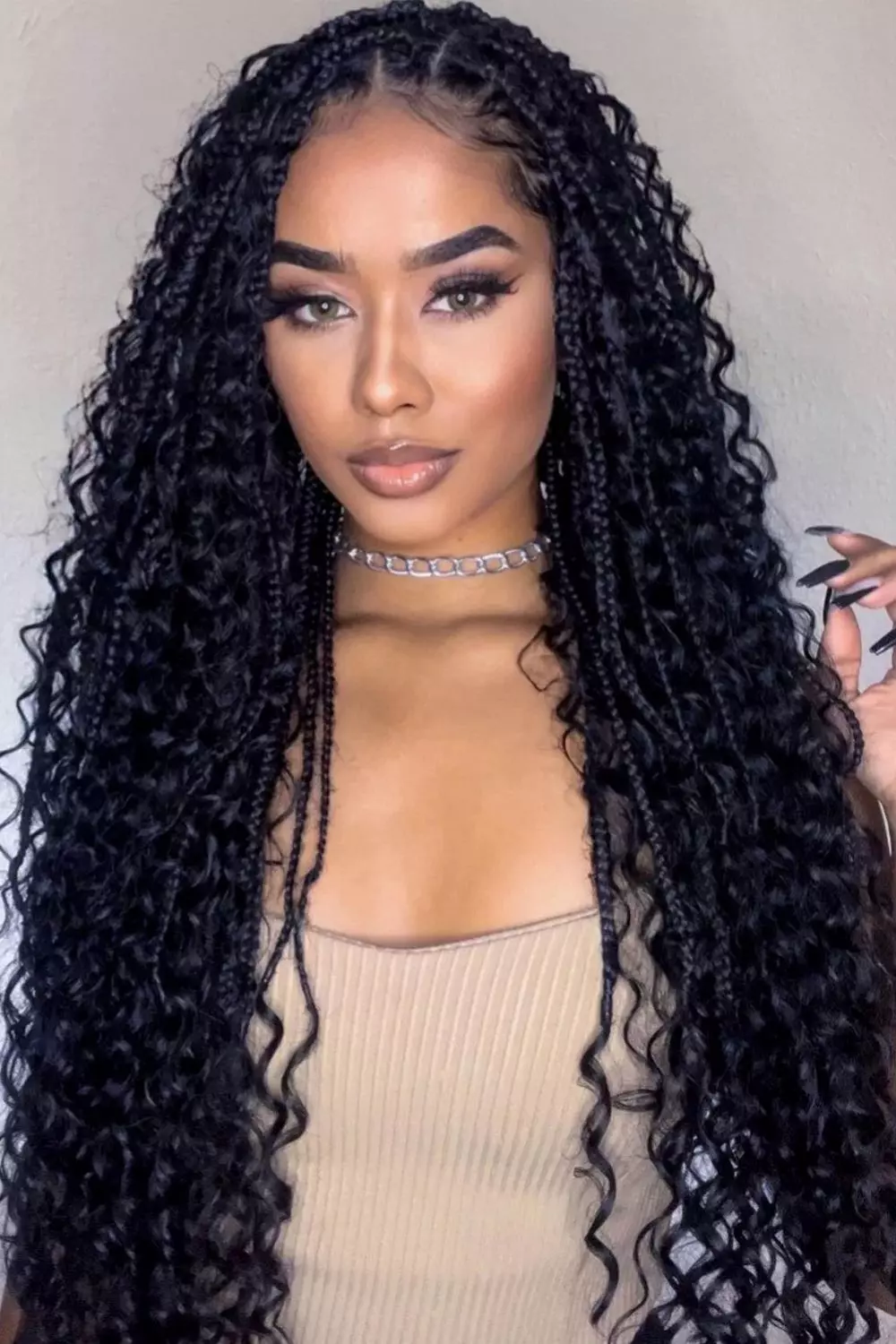
Does your style need two textures at once? This one pairs neat box braids framing the face with loose, cascading waves through the rest of the length. The middle part keeps the contrast clean. Works best on thick, wavy hair that can blend the braided and curly sections without a visible seam. A uniform texture is not required. The braids stay smooth while the waves get bigger toward the ends. Styling requires a curling iron on the loose sections after the braids are set. The hold lasts a full day with a light-hold spray. Not for a quick morning routine, but the payoff is a look that shifts as you move.
Mixed braids and loose curls with face-framing tendrils
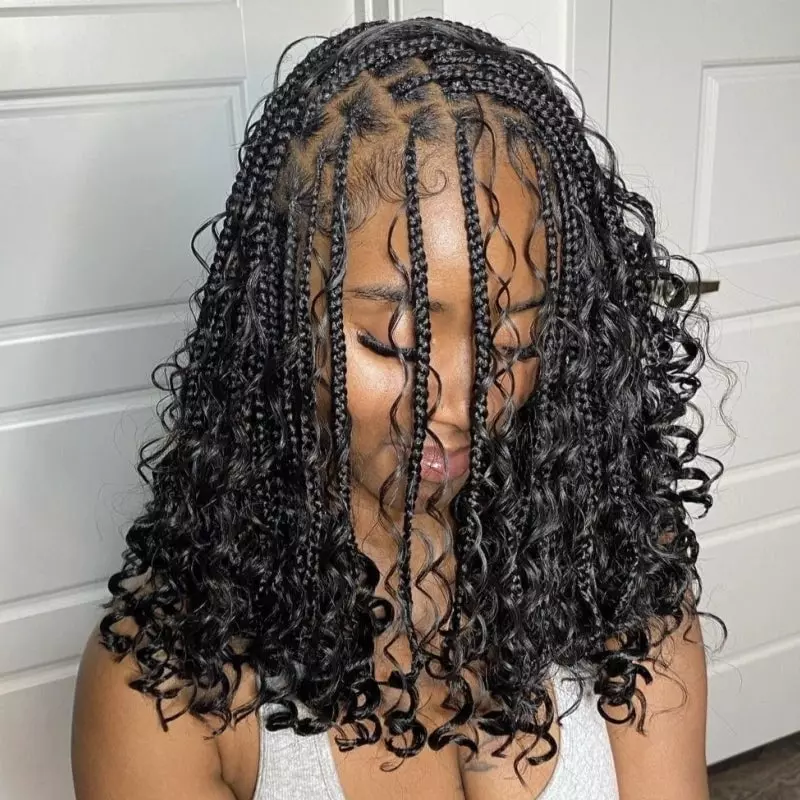
Small box braids on the top section transition into loose, cascading curls, and the face-framing tendrils soften the whole effect. The middle part divides the braids cleanly. Suits thick, curly hair that can handle the transition from a tight braid to a looser curl pattern. Not for anyone who dislikes maintenance. The tendrils need re-curling every morning, and the braids at the crown loosen with wear. Styling steps: set the braids first, then curl the ends with a wand, leaving the tendrils for last. The hold is moderate; by evening the curls relax into waves. A trim every ten weeks keeps the ends from fraying. The drawback is the time, intricate braiding requires patience, and the tendrils demand daily attention.
Box braids with highlights transitioning into loose curls
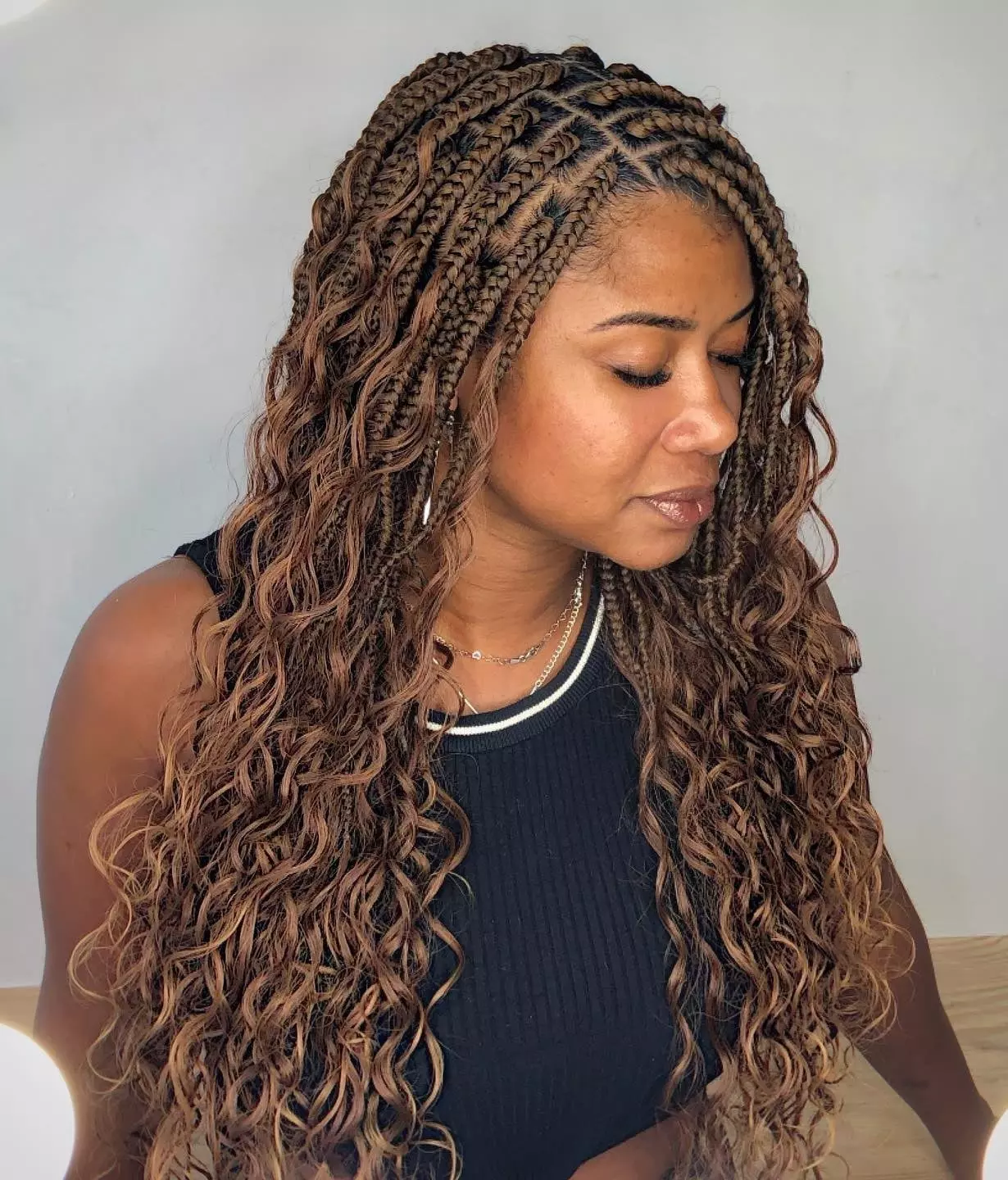
A medium brown base with lighter brown highlights sets the foundation here. Box braids run for most of the length, then bloom into loose, wavy curls at the ends. Thick hair with some natural wave handles the transition best. The structured top contrasts with the soft finish. This style needs density to hold the shape, so very fine hair may not support the weight. This is a salon-leaning design, not a weekend DIY. Tell your stylist: box braids with lighter brown highlights transitioning into loose curls.
Cornrows transitioning into loose curly braids
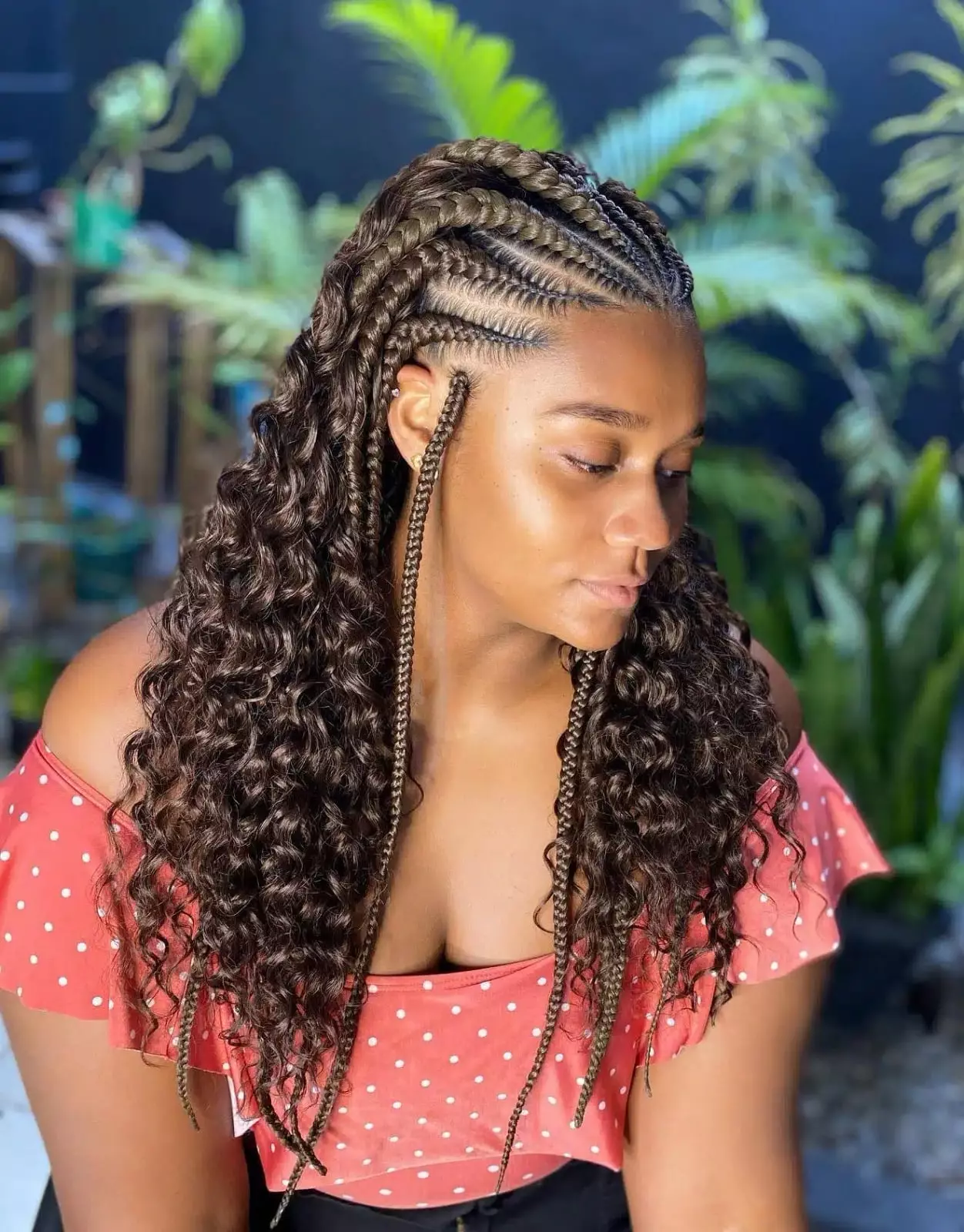
Set this one against a full head of uniform braids. Here, neat cornrows on one side feed into loose, voluminous curly braids that fall past the mid-back, with subtle lighter brown highlights catching the light. The side part and the shift in texture make it feel less rigid, more like something you wear through a long weekend or a mild-weather trip. Thick, curly hair starting at shoulder length is the sweet spot; the volume carries the drama without extra bulk. Not for those who prefer a uniform texture or have very fine hair, the contrast relies on density. A salon-leaning style that rewards the time in the chair.
Intricate braids with a heart-shaped design
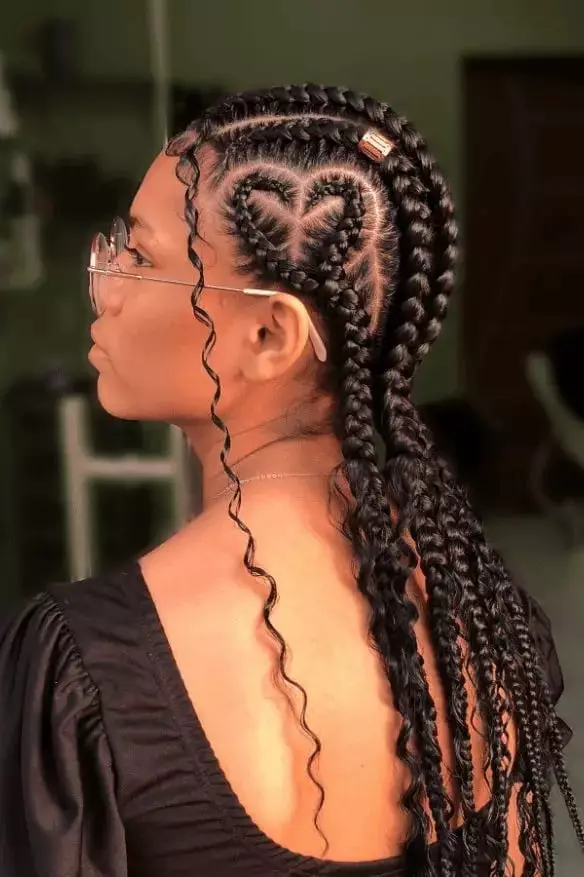
A heart-shaped pattern sits at the front, built from the parting outward. The rest of the hair falls into multiple long, thick braids, with loose wavy tendrils breaking the symmetry. Black hair with a side profile and no bangs keeps the focus on the design itself. One real drawback: the intricate parting takes time and precision, so this is not a last-minute choice. Face-framing tendrils soften round and square face shapes, though. A salon-leaning look that requires professional skill and patience. Ask your stylist for: intricate braids with a heart-shaped design and face-framing tendrils.
Two thick straight braids with defined baby hairs
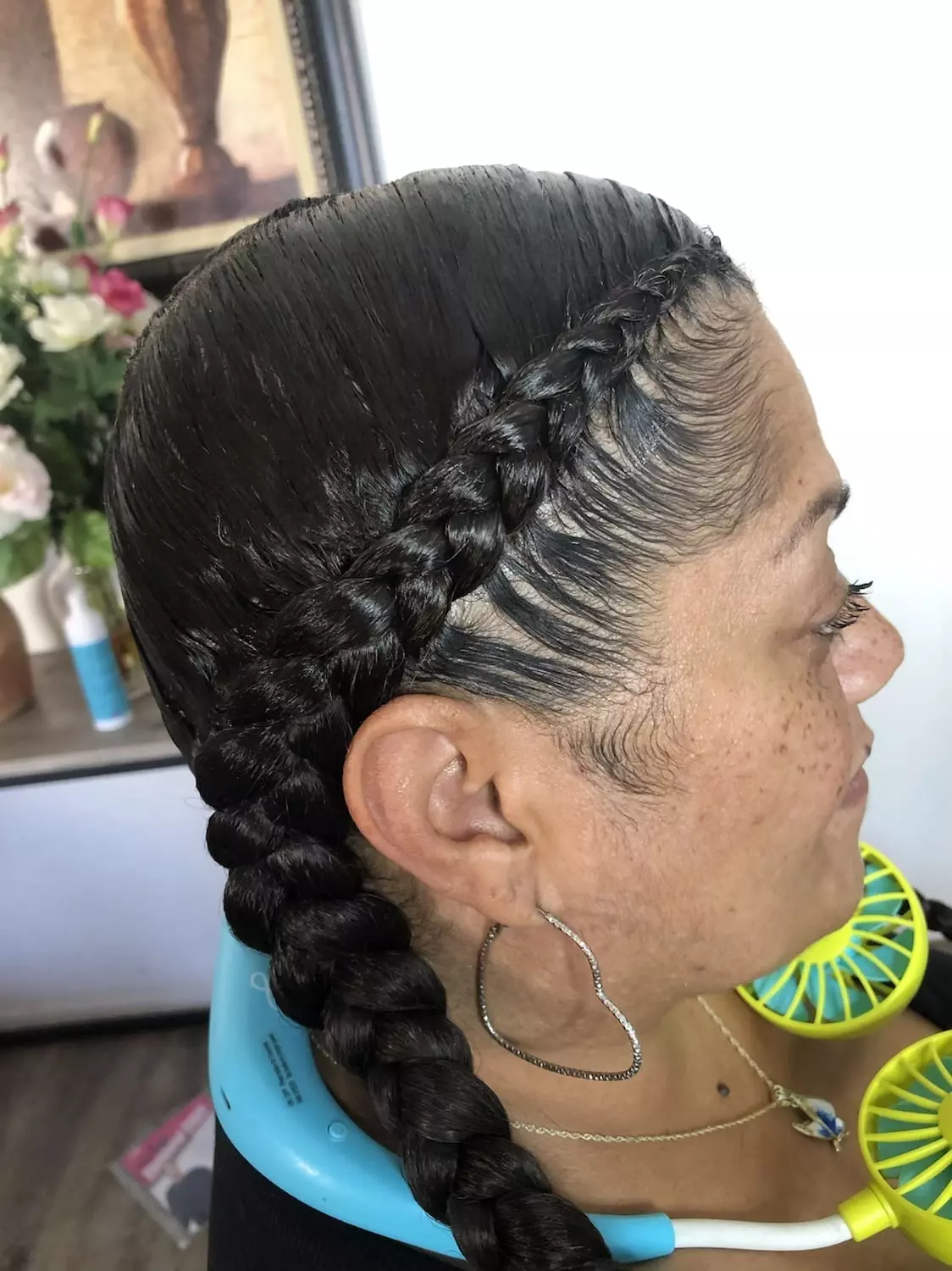
Two thick, straight braids in dark brown, slicked back from the hairline with defined baby hairs. The sleek, pulled-back crown contrasts with the deliberate curl of each baby hair. Thick hair starting at shoulder length carries the weight well; the baby hairs soften round and square face shapes. The look needs density and a steady hand. A salon-leaning design that asks for precision.
High ponytail styled into a thick straight braid
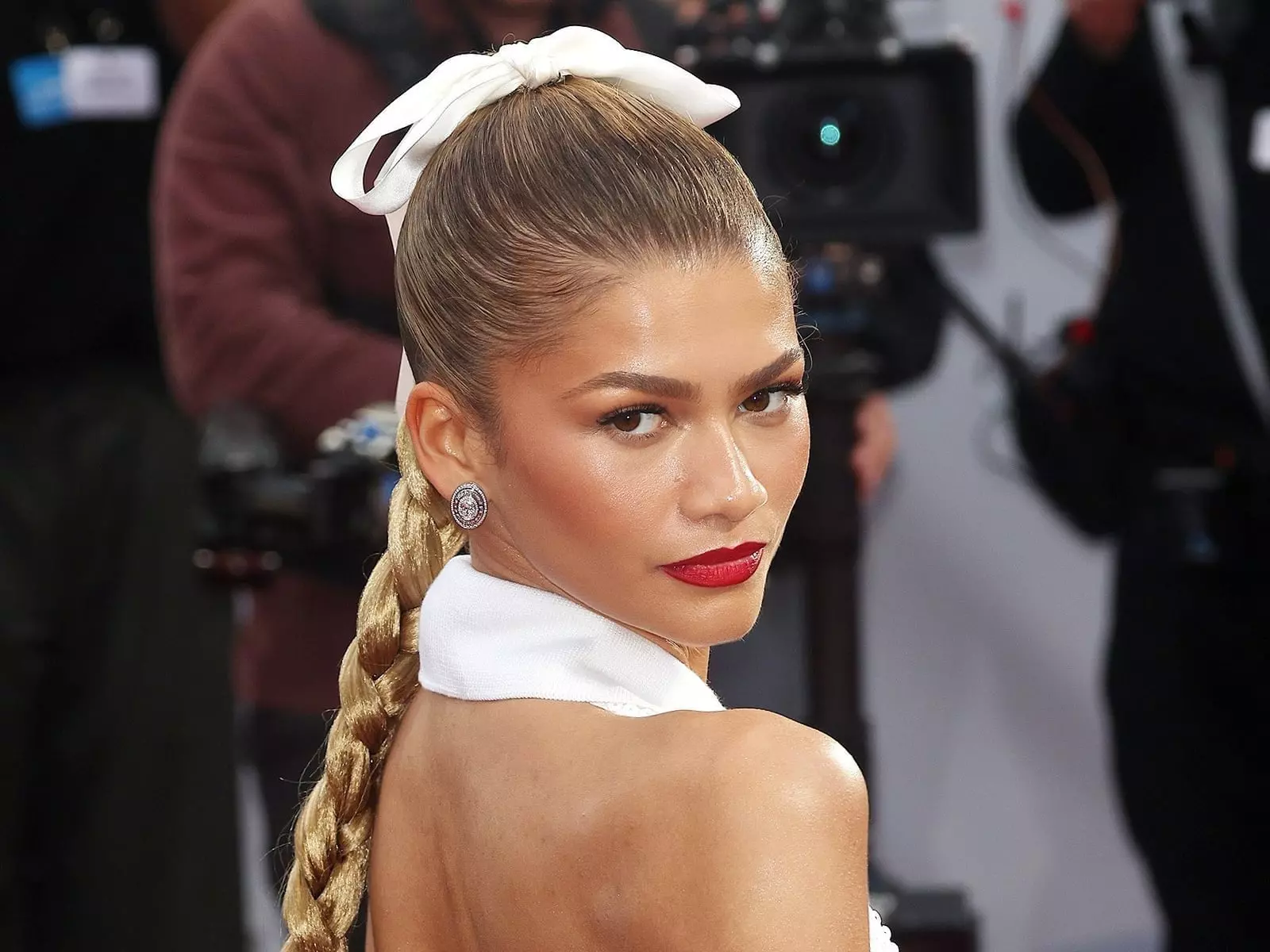
A high ponytail pulled tight from the face, then braided into one thick, straight section. Blonde hair with a middle parting and no bangs keeps the line clean. A large white bow sits at the base of the ponytail, adding a neat finish. Thick hair of any length that can reach a high ponytail works here; the braid needs bulk to look substantial. This style is best for those who can achieve a high, sleek ponytail. The hold depends on tension. A salon-leaning design for a formal moment. Ask your stylist for: high ponytail into a thick straight braid with a large bow.
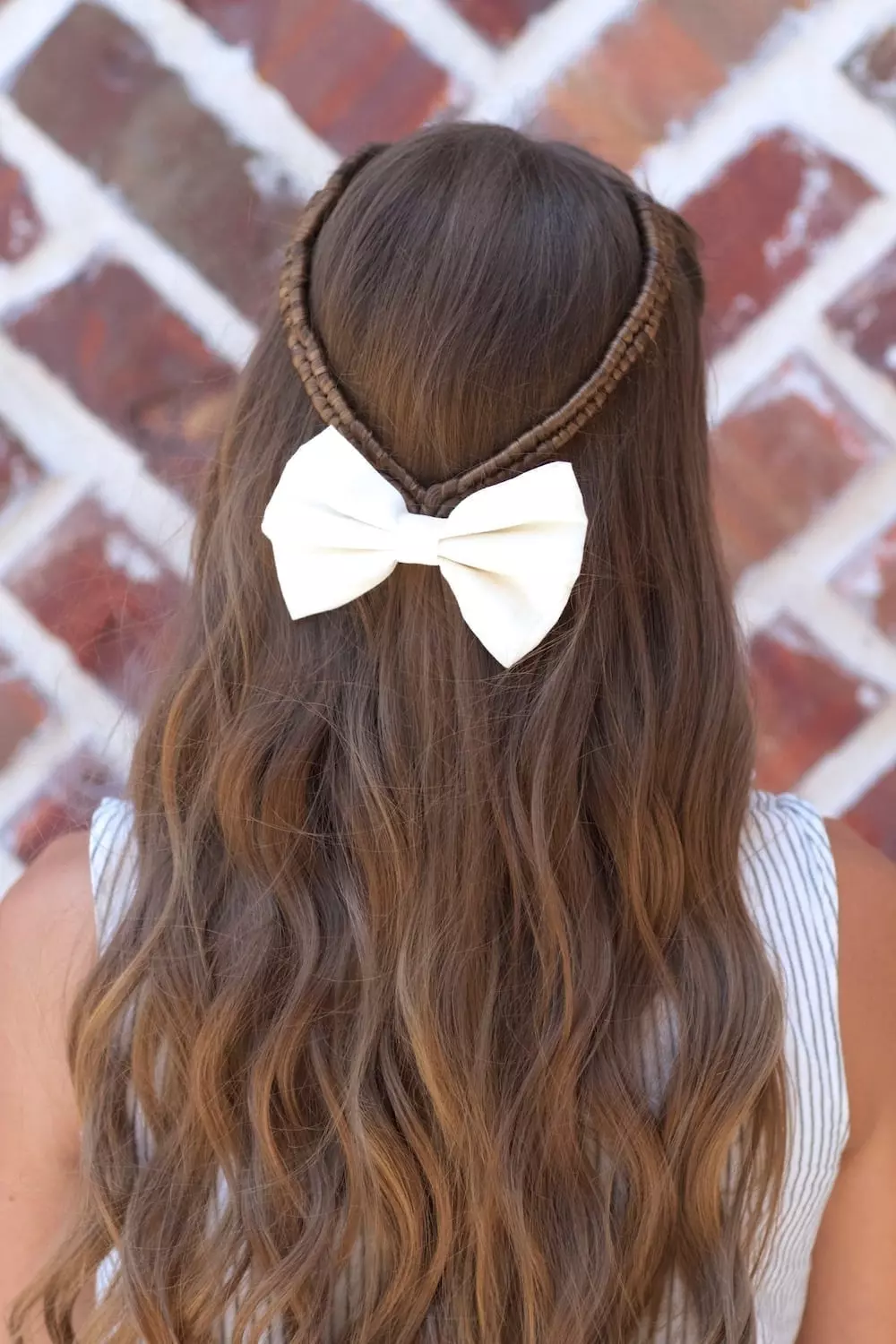
A quieter take on braids with a bob haircut, wavy and curly
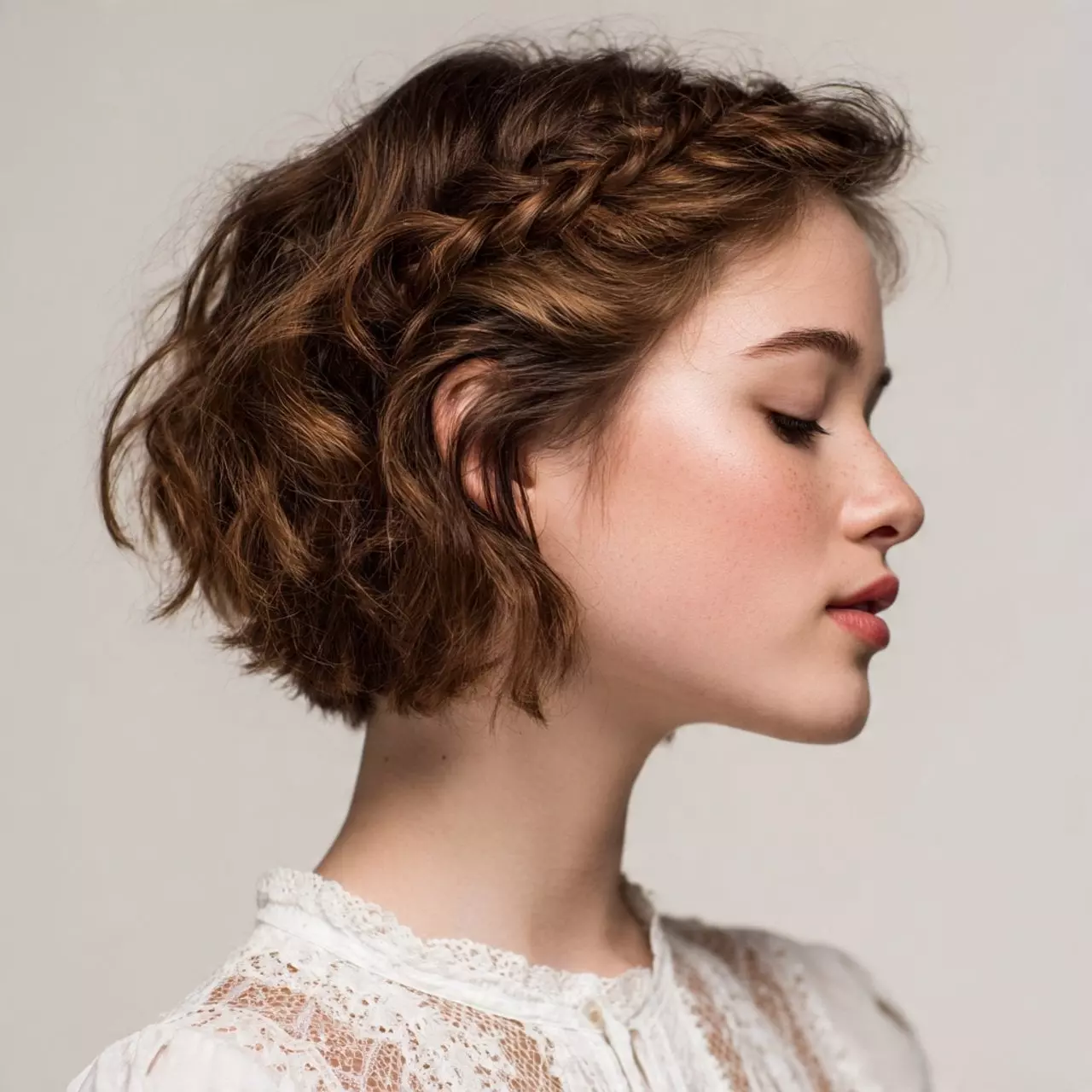
A bob haircut with loose waves and a delicate thin braid across the crown is a restrained version of the style. Fine, wavy texture in rich brown with subtle auburn highlights gives the braid enough grip to stay put without looking bulky. A side part keeps the weave visible from the front. The drawback: fine hair means the braid looks delicate rather than substantial, so the impact is quieter than a thicker plait. Style the waves with a curling iron, and the crown braid holds for a day or two before it needs redoing.
Final Thoughts
Pick the braid that matches your calendar, not your Pinterest board.
- Two hours to spare: try a heart-shaped design or intricate parting.
- Thirty minutes or less: box braids with a high ponytail or a bob with a crown braid.
- Fine hair that needs grip: neat cornrows or small uniform braids.
- Color you want to show off: highlights in box braids or beads on long lengths.
Choose a braid style that balances your desired look with your lifestyle.