You sit in the chair with a photo saved, a length in mind, and the quiet hope that this sew-in actually holds its shape past week two. A cut that works with your texture and a color that stays glossy through the grow-out. That is the point of the consultation, and it is worth the time.
This collection gives you 31 options, from low-upkeep bobs to high-volume curls, built for different face shapes, densities, and morning routines. Which is why Dreamy Sew in Hairstyles 2027 fill so many saved boards: the right sew-in solves the struggle between what you want and what your schedule allows.
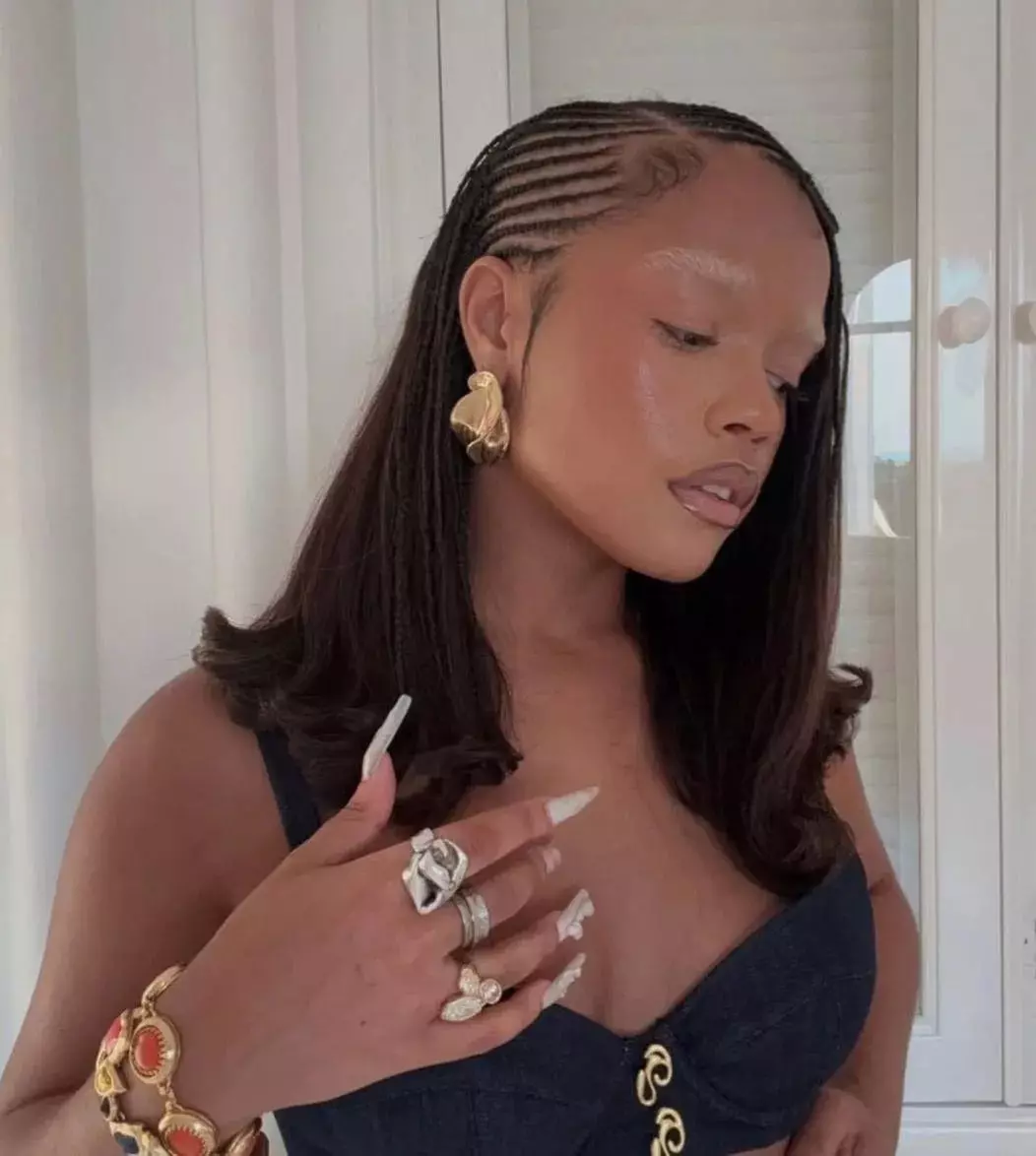
Sleek cornrow braids framing a dark brown wavy sew-in
Cornrow braids trace the hairline before the rest falls into soft, wavy layers. The side part keeps the braids visible without competing with the volume above. Thick, wavy hair starting at shoulder length or longer handles this balance best; oval and heart-shaped faces get the most from the framing. Ask your stylist for: side part, cornrow braids framing face, soft wavy layers. The braids need scalp moisturizing, and the wavy layers want a trim every eight to ten weeks.
Very fine hair may not hold braids well. The design demands a salon hand for the cornrow work, so a weekend appointment is part of the deal. Dark brown keeps it wearable for everyday, while the wave pattern adds enough movement to avoid a stiff look.
Defined curls enhancing natural texture with a side part
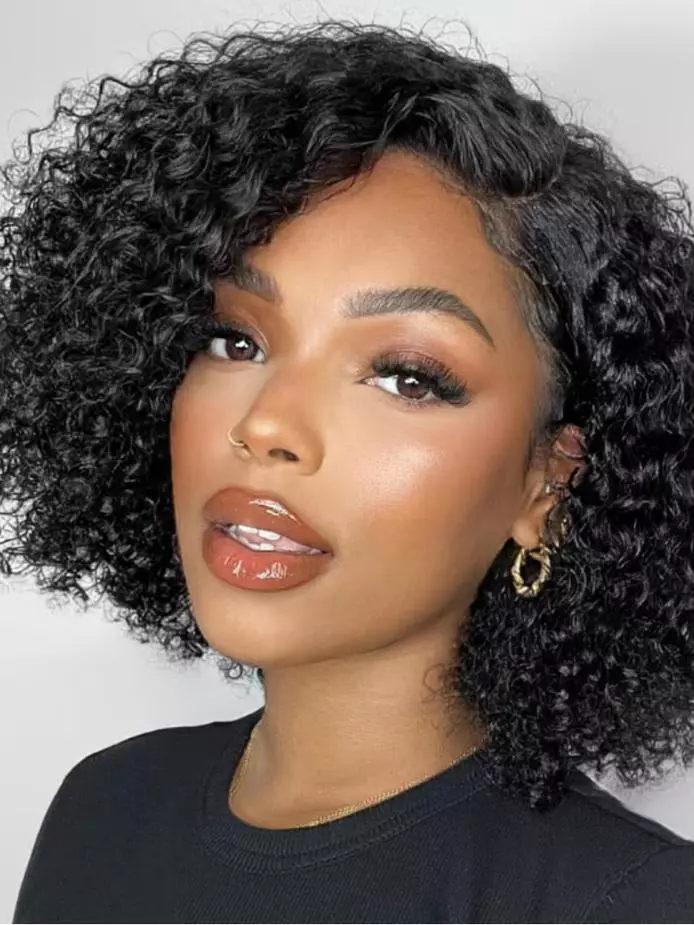
This one genuinely flatters if you already have thick, wavy hair at shoulder length or longer. The layers are cut to let each curl hold its shape, and the side part opens up the front without losing density. Round and square faces benefit from the soft volume at the sides. A diffuser on low heat sets the curl pattern without frizz.
Pass when you dislike daily curl maintenance or have fine hair that falls flat by midday. The defined curls rely on the natural thickness to hold, so thinner textures will not get the same result. Black as a base color keeps the focus on the shape rather than a shade transition.
Cornrows on one side transitioning into loose straight waves
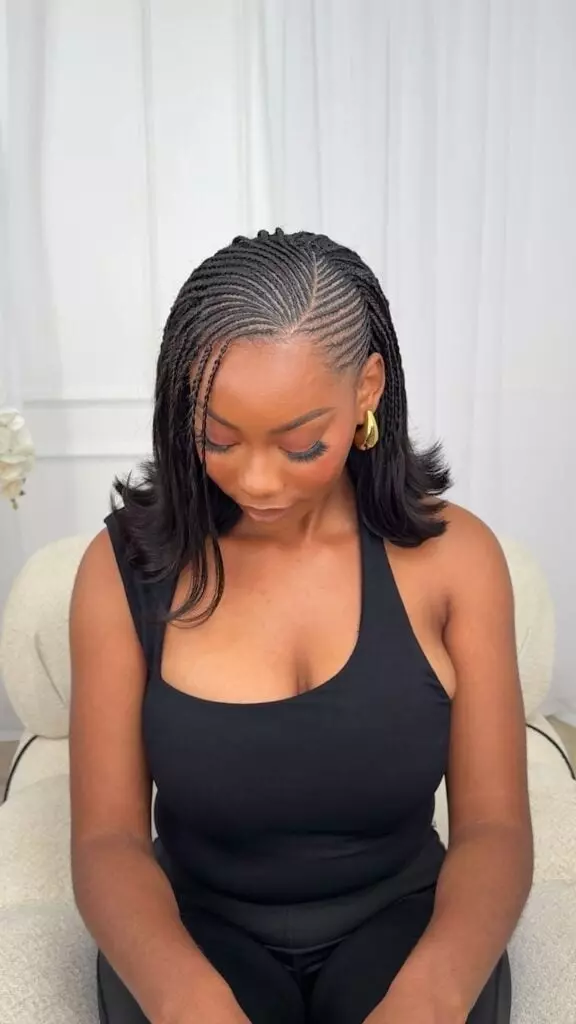
The contrast works best on thick hair that can handle both the cornrow tension and the sleek finish of the waves. Most face shapes suit the asymmetry. Ask your stylist for: cornrows on one side, transition to loose straight waves. A flat iron keeps the wave side smooth, while the braided side needs regular moisturizing to prevent dryness.
Voluminous waves with baby hairs on a layered cut
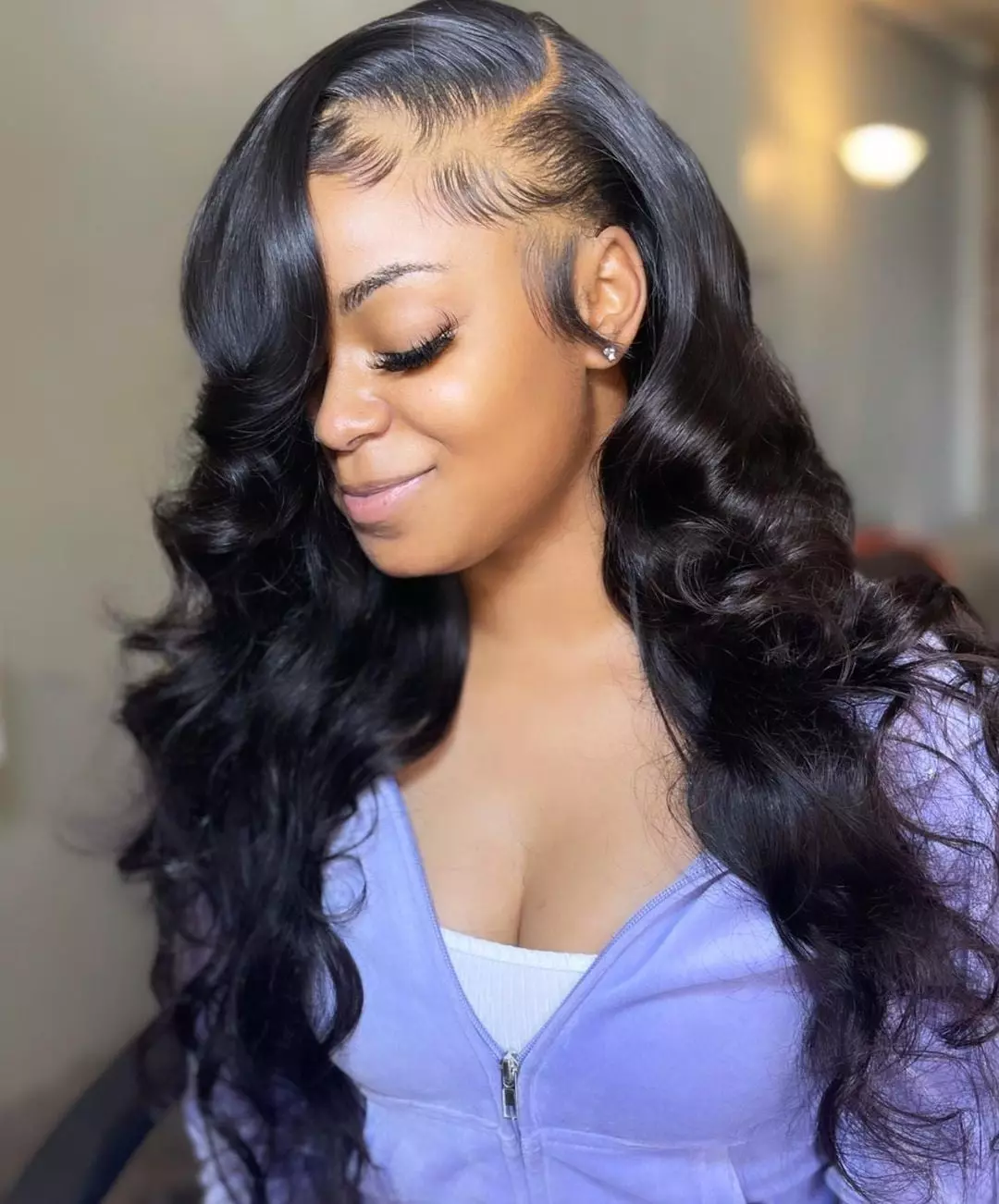
How do you get baby hairs that stay put and waves that move? Start with long layers and a deep side part, then build volume through a blowout. The baby hairs along the hairline are styled separately with a small toothbrush and a firm-hold product. Thick hair at shoulder length gives the volume something to work with; oval and heart-shaped faces read the framing best. The layers need a trim every eight to ten weeks to keep the shape clean.
The look leans toward evening or special occasions because the hairline detail requires precision that fades with sleep.
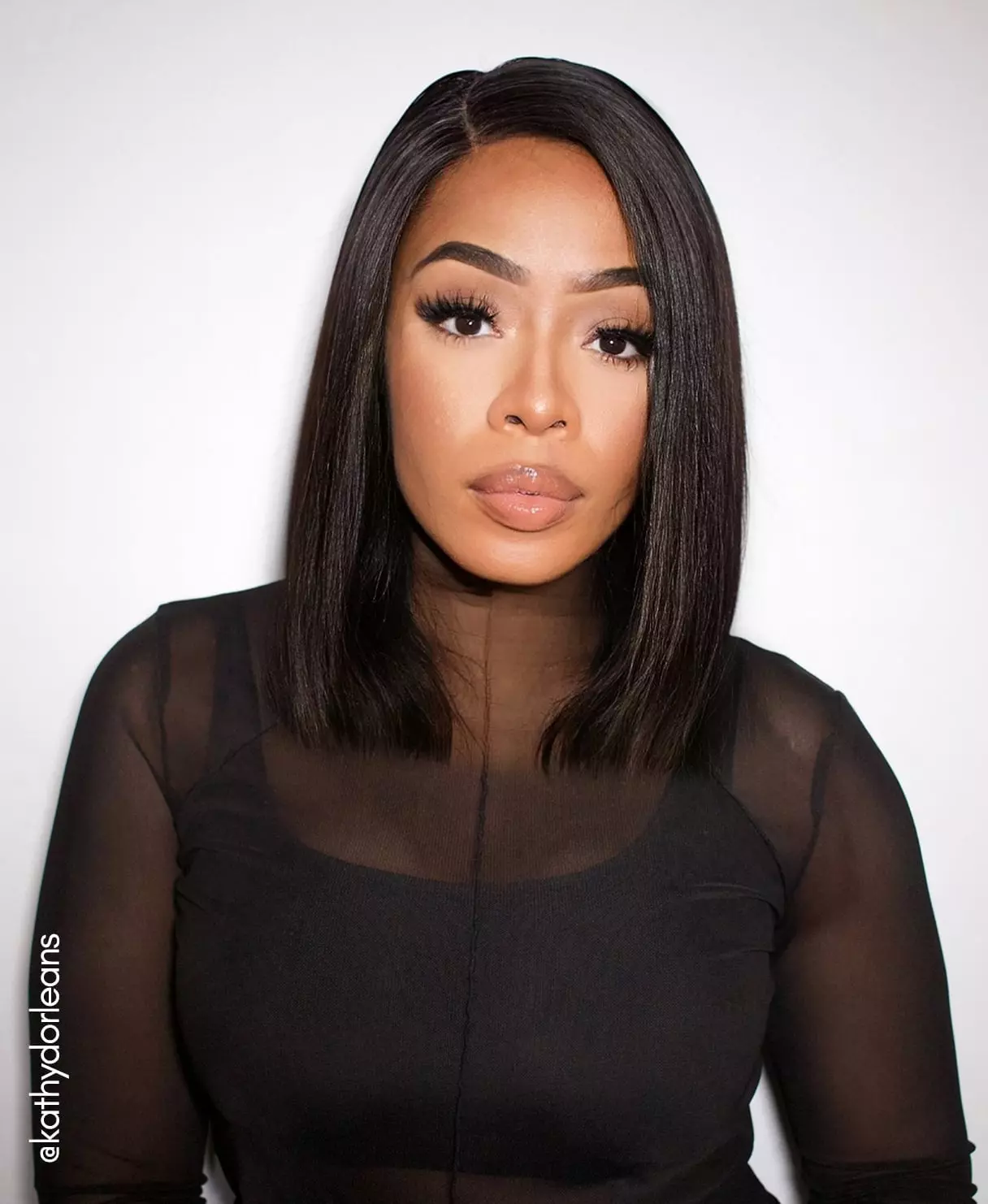
Blunt cut black bob styled poker straight
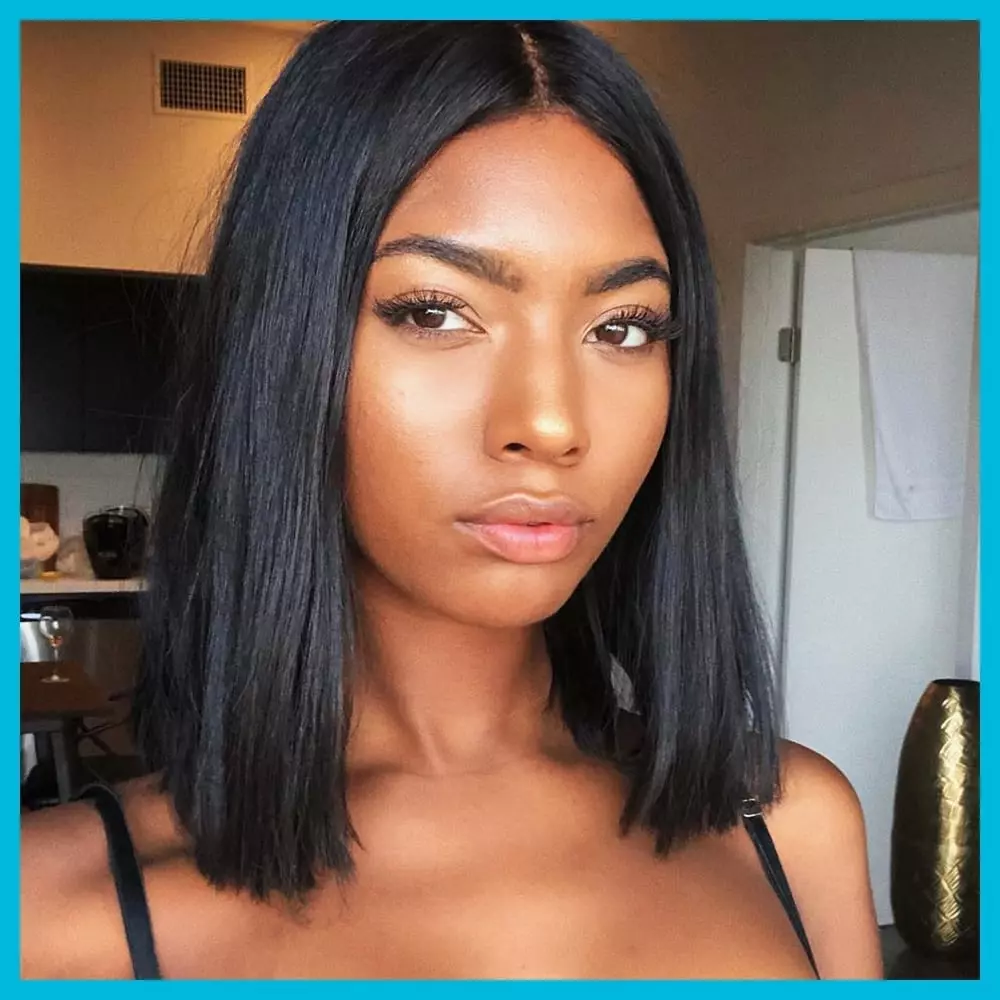
A collarbone-length bob cut blunt and styled poker straight leaves no room for texture to hide. The middle part emphasizes the symmetry, and the sharp ends catch the light without any wave to break the line. Fine to medium hair at the collarbone length holds the straight finish best. Ask your stylist for: blunt cut bob, collarbone length, poker straight, middle part.
Wispy curtain bangs with long flowing waves
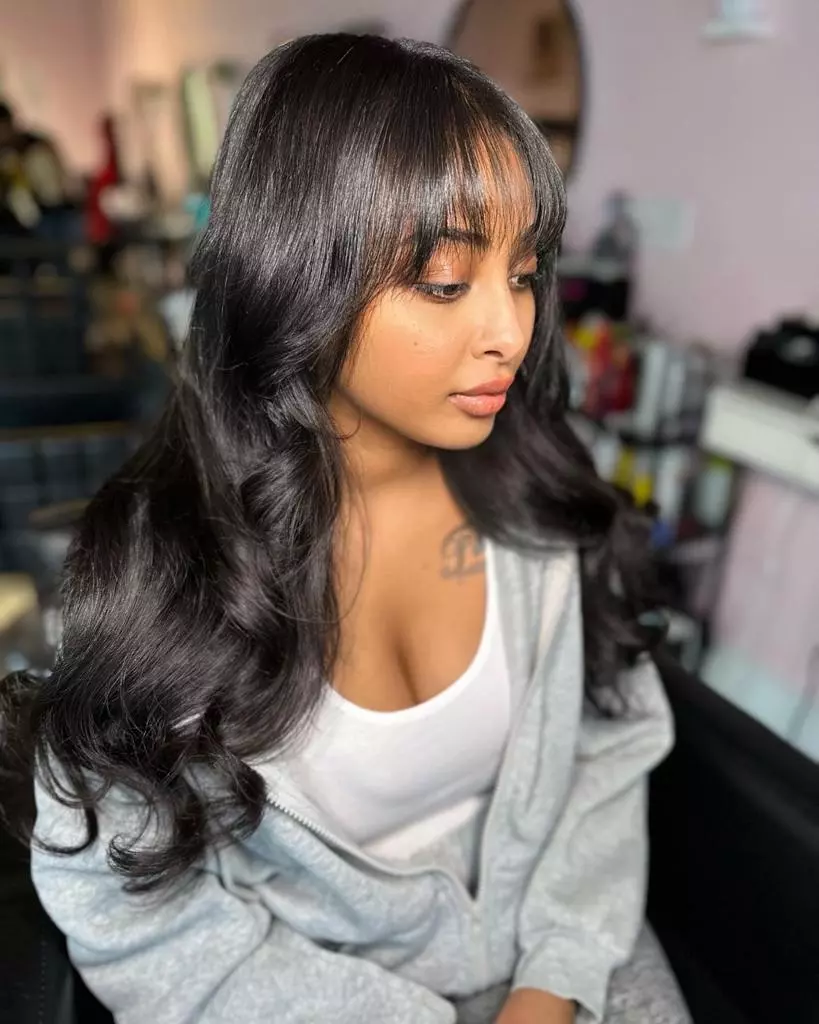
Wispy curtain bangs change the whole math on a sew-in. You get the soft face framing without the commitment of a full fringe, and the mid-back length keeps the drama. The jet black base and flowing waves look one piece, not a track in sight. Skip it if you hate reaching for a round brush every morning or if your natural hair is too fine to blend with the bangs. The curtain part can drift apart by lunch. A salon blowout locks it in for three days; after that, it is a ten-minute re-roll situation. The hold is good, not bulletproof.
That is the catch.
Bob with loose waves and wispy baby hairs
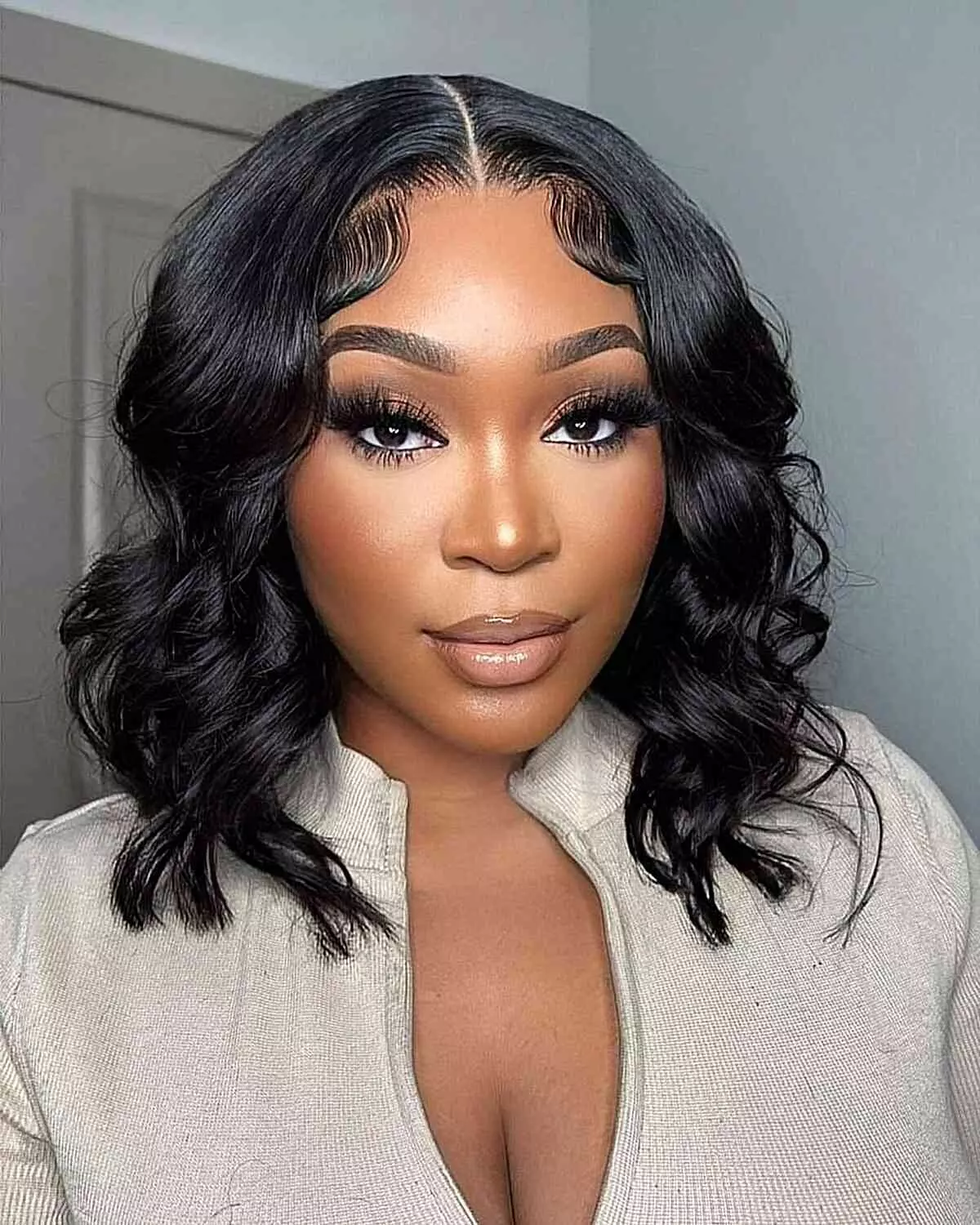
A blunt bob with baby hairs lands differently than the same cut without them. The loose waves and sharp middle part give structure, while the wispy baby hairs soften the line. The black color keeps it sharp. This is a spring-to-fall length, short enough to feel light, long enough to still wave. Not for anyone who wants a set-it-and-forget-it style. Baby hairs need shaping every morning with a small curling iron and a spoolie. The hold lasts the day if you use a light gel. Pass when you prefer a clean hairline.
Cornrow braids and loose curls with honey blonde highlights
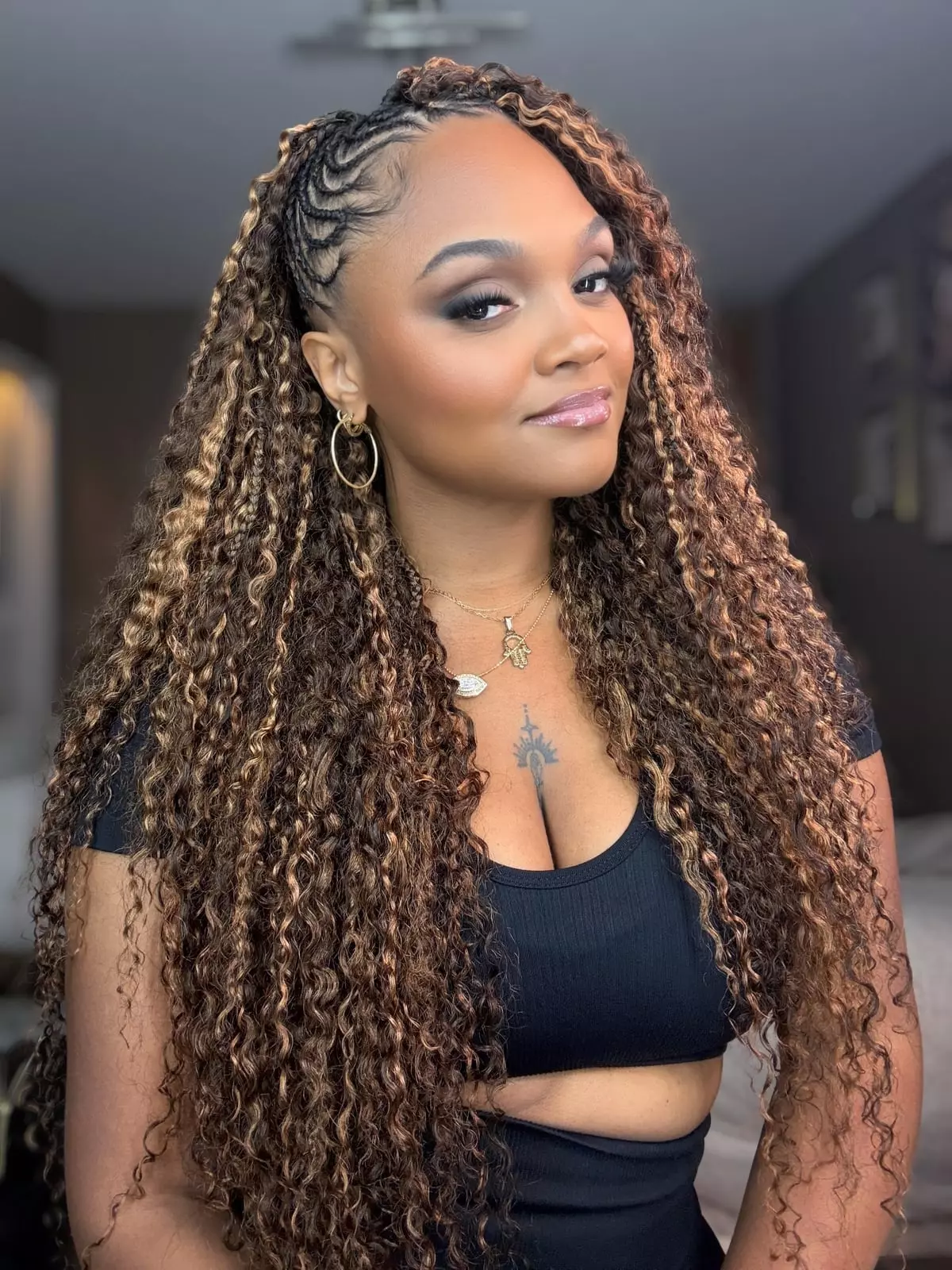
One side braided, one side loose. The cornrows sit flat against the scalp on the left, then the dark brown base opens into honey blonde highlights and voluminous curls on the right. The side part makes the transition look intentional. The technique is straightforward: the braids are sewn down first, then the curly weft is attached behind them. The hold is strong, braids stay neat for two weeks, curls need a refresh every three days. Ask your stylist for: cornrow braids on one side, loose curls, dark brown with honey blonde highlights. Maintain the braids with a light oil and spritz the curls with water and a cream. No heat needed between washes.
Ash blonde voluminous curls with lighter highlights

How much time does ash blonde cost you? The color itself takes a full day in the chair to lift and tone, plus a purple shampoo every other wash to keep the brass out. The voluminous curls here are defined with a middle part and a loose, air-dried finish. The lighter highlights add dimension without looking stripey. The hold on the curl pattern is about two days before it loosens into a wave. Toning every six to eight weeks is the real rhythm. Skip it if you cannot commit to the purple shampoo schedule or if your water runs heavy on minerals. The ash turns muddy fast otherwise.
Voluminous waves from a long layered blowout
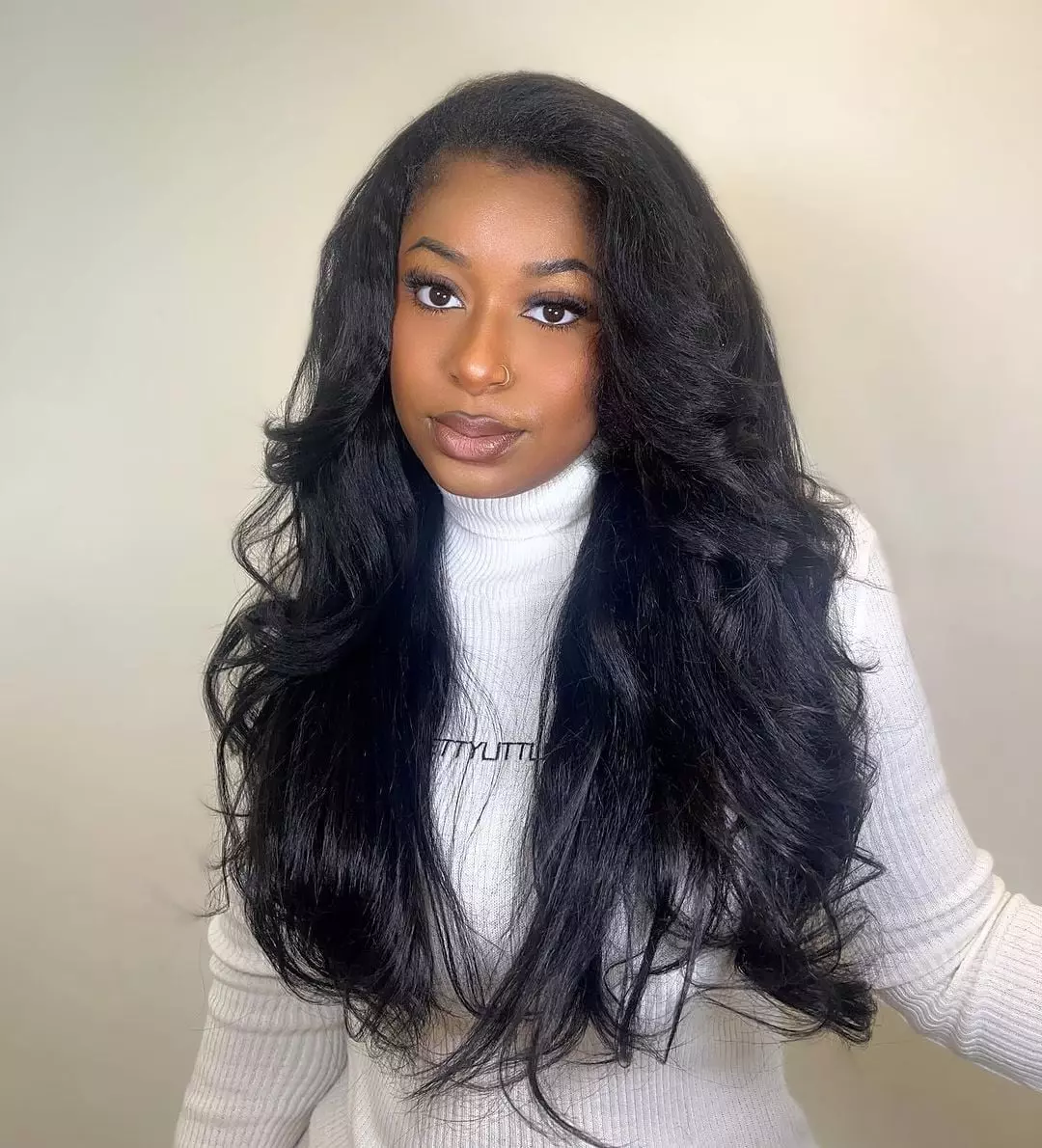
Long layers and a side part give this black blowout its lift. The voluminous waves start at the jaw and carry down, no flat crown, no droopy ends. You can get close at home with a large barrel curling iron and a round brush on the roots. The salon version holds for a full day; the DIY version lasts until the humidity kicks in. The key is the layering: too few layers and the weight pulls the wave out, too many and it looks choppy. Ask your stylist for: long layers, side part, voluminous waves, blowout finish. The cut buys you two months before the layers need a touch-up.
Intricate cornrow braids with voluminous wavy extensions
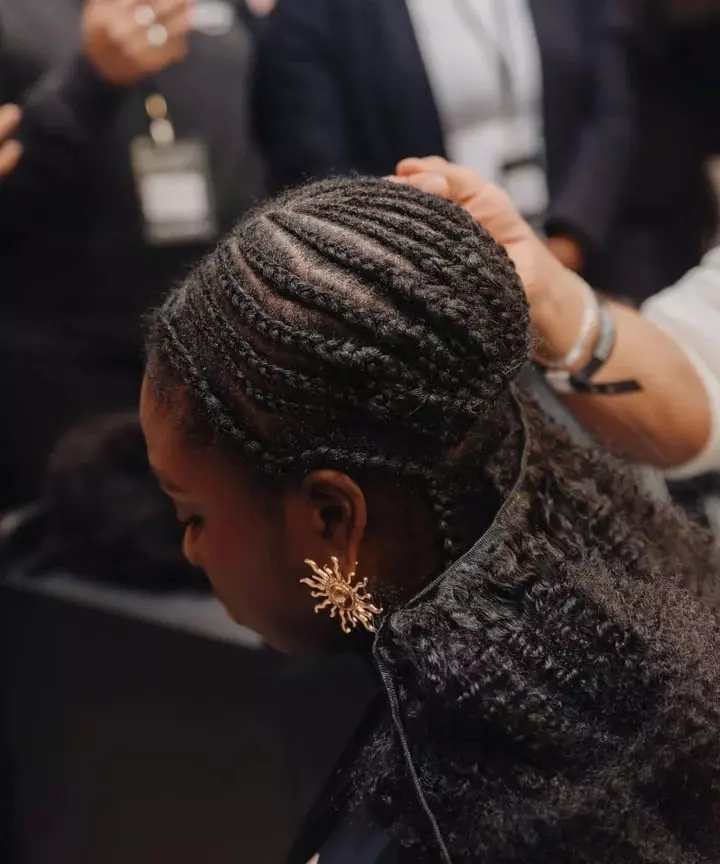
Cornrow braids or a full scalp braid pattern. The decision is about how much real estate you want covered. This version keeps the braids neat and close to the scalp, then releases into thick, wavy extensions that drop down. The contrast is the point: flat, structured lines against loose volume. It works best for anyone with dense hair who wants a long-lasting style that holds its shape for weeks. The catch: the braiding takes time. A good stylist needs a couple of hours to get the pattern even, and tight braids can feel tender for the first day or two.
The wavy sections need a light refresh every few days, a mist of water and a finger comb through the ends keeps them from tangling. Skip it if you have a sensitive scalp or a low tolerance for tension at the hairline.
Curled ponytail with side-swept bangs and face framing
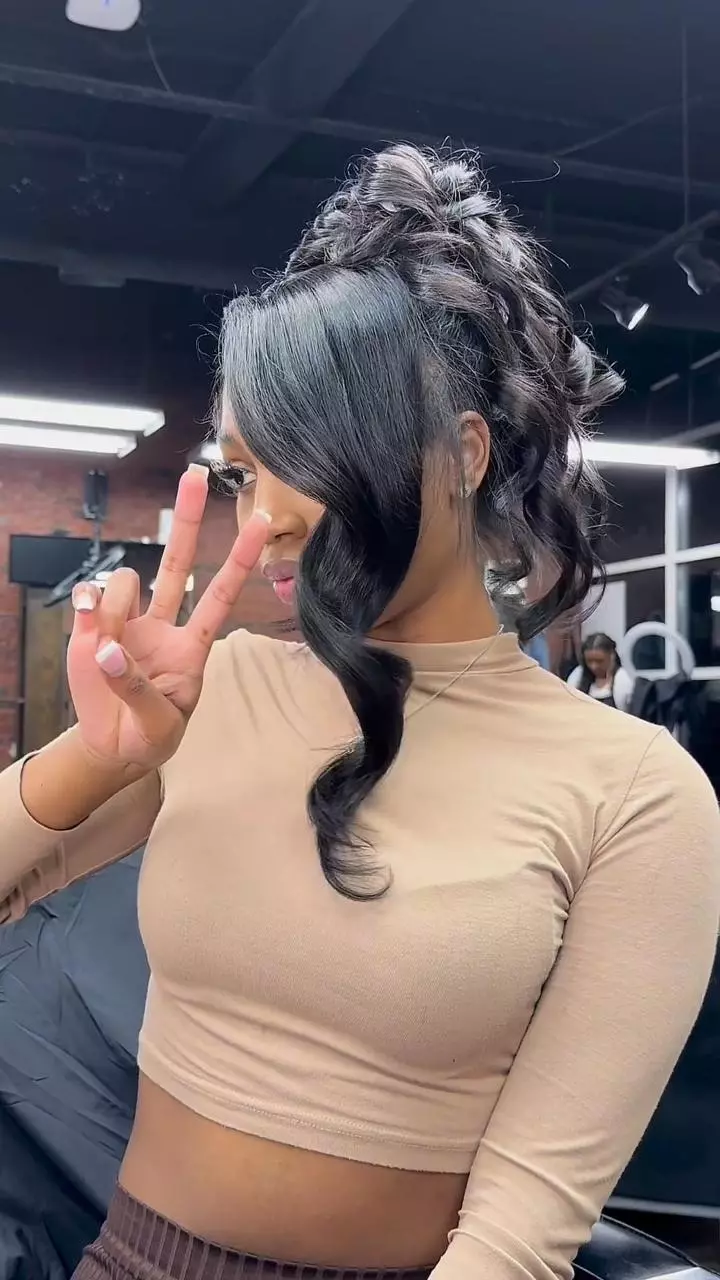
You want an updo that still looks hair, not a helmet. A high ponytail with cascading curls delivers exactly that: the lift, the swing, the face-framing side-swept bangs that break up the line. This is a genuine flatterer for most face shapes because the volume sits high and the bangs soften the forehead. The deep side part adds asymmetry, which keeps it from looking too formal.
Ask your stylist for: high ponytail, voluminous curls, side-swept bangs. The curls hold best when set with a curling wand and a firm-hold spray. Pass when you prefer wearing your hair down or have fine hair that struggles to anchor a high ponytail without slipping.
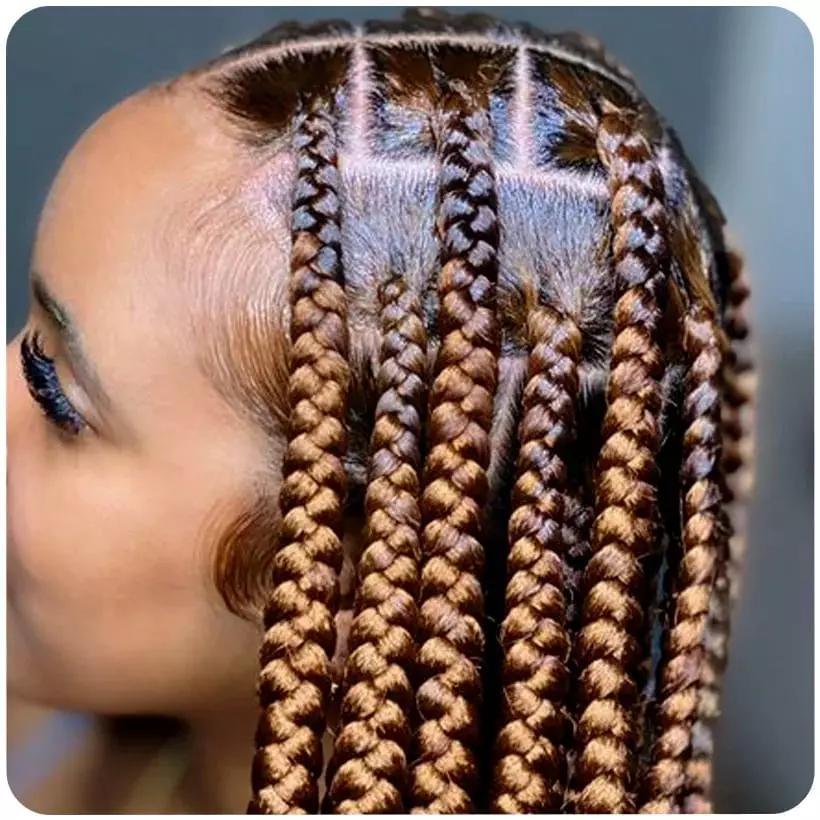
Micro braids at the hairline with thick wavy curls
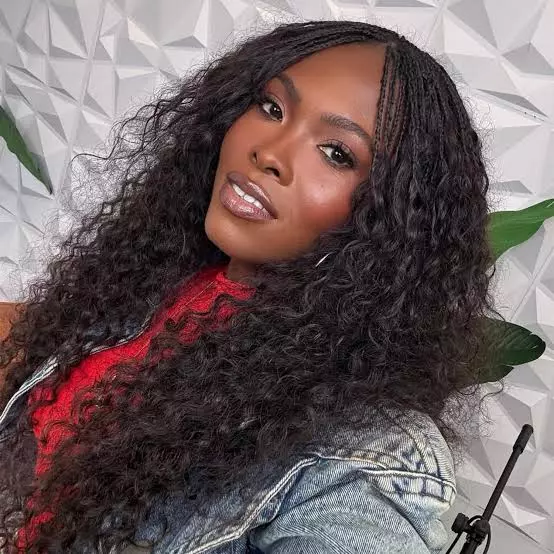
Micro braids at the hairline are a detail that changes the whole feel of a sew-in. They frame the face without the commitment of bangs, and they protect the edges from tension. The rest of the hair drops into thick, wavy curls with a middle part. The braids need a light oil or moisturizer every few days to stay soft, and the curls can be refreshed with water and a bit of styling cream.
Thick wavy hair with a swept bang and side part
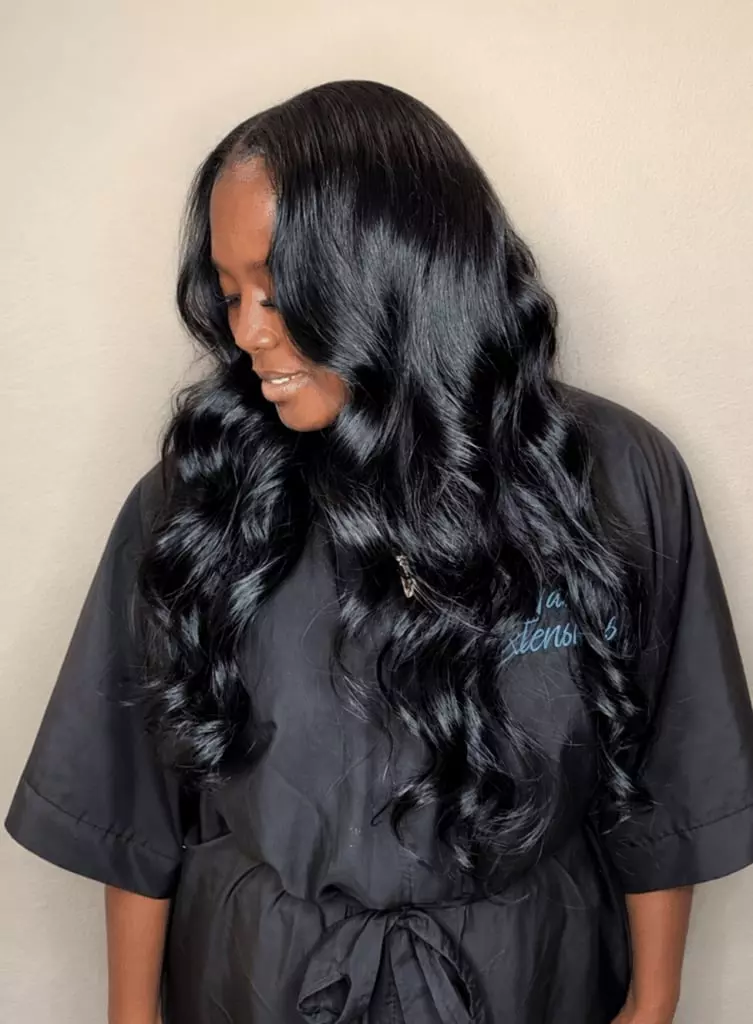
Loose waves and a side-swept bang look relaxed, but the reality is that volume this even takes work. The layers are cut long so the wave pattern stays consistent from root to end. The side part creates height near the front. You can style it yourself with a large-barrel curling iron and a round brush on the bang, but the blowout version requires a salon dryer and a steady hand. The trade-off: the waves drop by midday if not set with a light spray. It suits those who prefer a voluminous, textured finish rather than a sleek one. Fine hair may collapse under the weight of a full sew-in.
Ask your stylist for: long, thick, wavy hair, loose waves, side-swept bang. This style requires ten minutes with a round brush, not a wash-and-go routine.
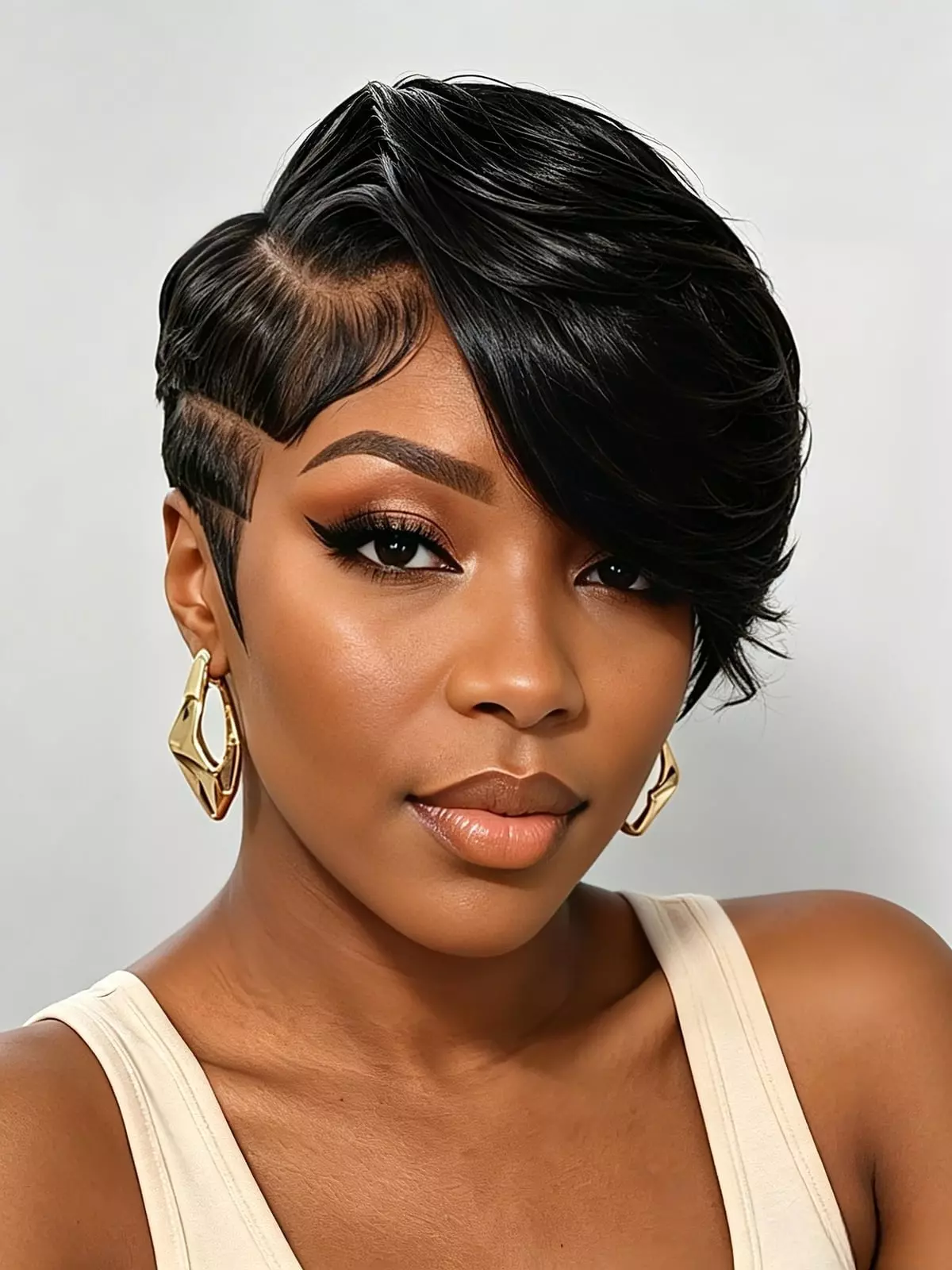
Sharp bob cut with baby hairs framing face
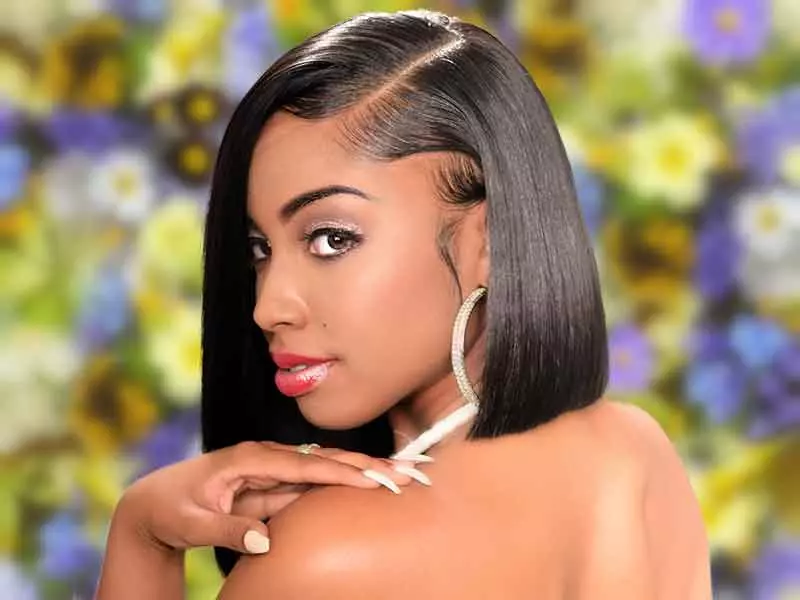
A sharp bob relies entirely on the blunt ends. No layers, no softness, just a straight line cut clean across. The hair is poker straight with a side part, and the baby hairs are laid down along the hairline for a finished edge. This is a precision cut: the stylist trims the wefted hair while it is sewn in, so the line lands exactly at the jaw.
Salon styled braids with laid baby hairs
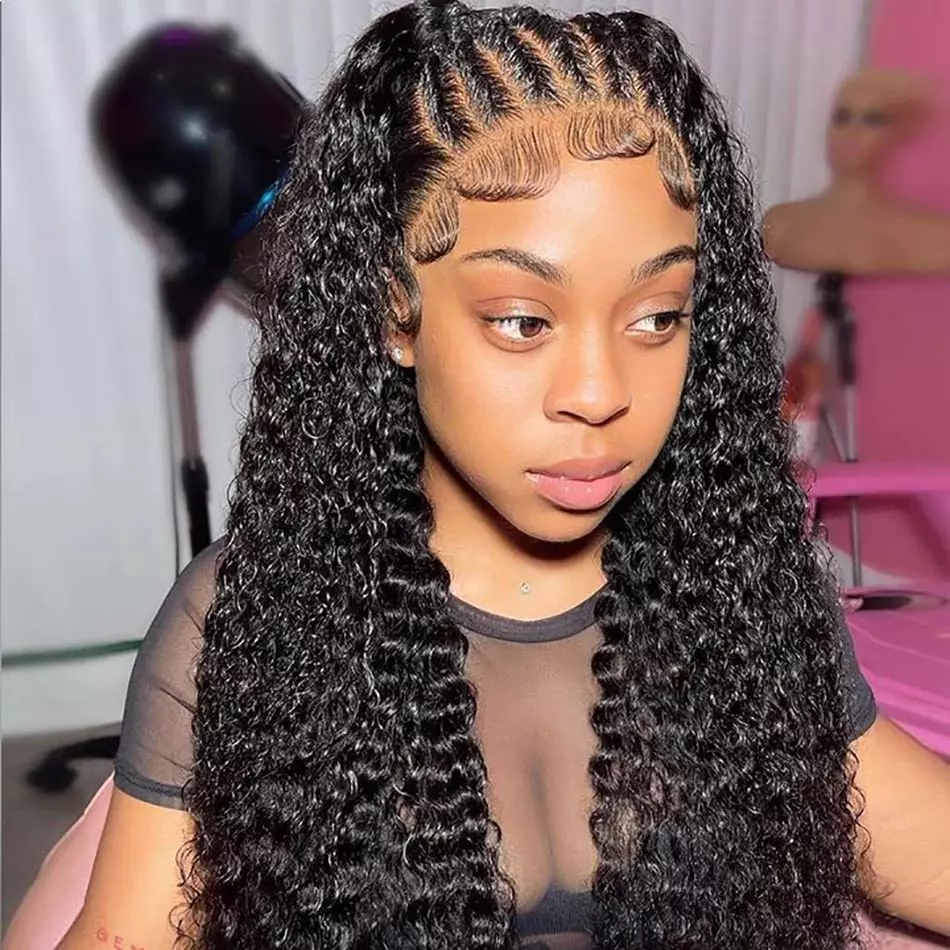
Braids and a sew-in can look like two separate styles, but this one merges them into a single statement. A deep middle part anchors the scalp braids, which transition into a thick, wavy black cascade. The baby hairs are laid with precision, edges smoothed into a neat frame. It is a salon-only proposition; the braiding alone takes time. Ask your stylist for: deep middle part, intricate scalp braids, laid baby hairs, laid edges.
Keep the braids moisturized with a light oil or leave-in. Use edge control to maintain those laid edges between washes. The hold on the braids is strong; the waves need a spritz of water and a scrunch to refresh. The whole effect is neat, not thrown together.
Curtain bangs with voluminous curls and auburn highlights
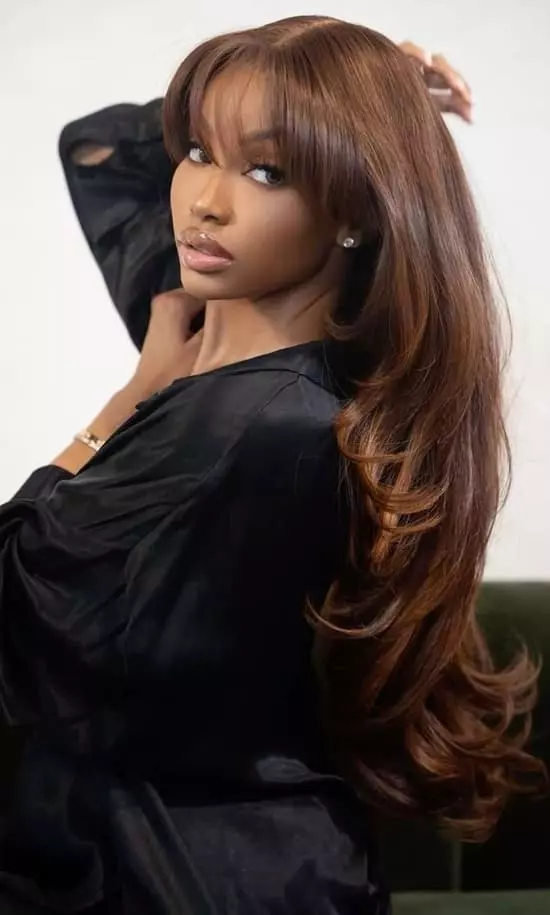
Curtain bangs that actually curtain, not just two pieces that fall flat by noon. These are cut with long layers that sweep toward the jaw and then blend into the length. The warm brown base carries subtle auburn highlights. The texture is straight and thick, styled into a blowout with soft curls that hold their shape through an evening. The words matter because the bangs need the right weight to frame without splitting. Blow-dry the bangs with a round brush and a heat protectant.
Face-framing curtain bangs with dark brown blonde highlights
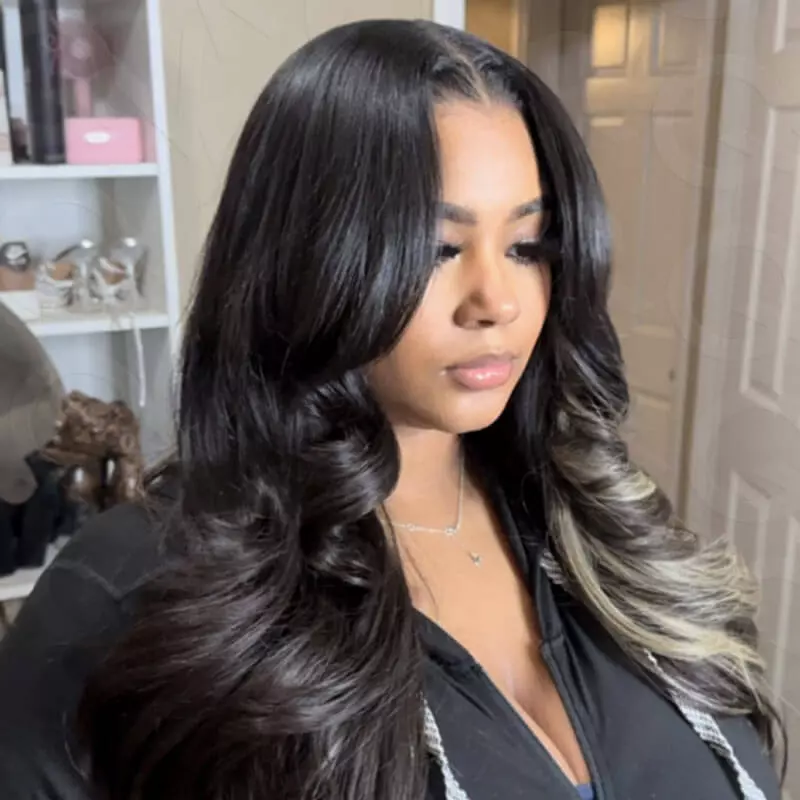
Two curtain-bang options, same face-framing idea, different color stories. This one goes dark brown with blonde highlights woven through the front sections, so the lighter pieces catch the eye when the hair moves. The middle part keeps the bangs symmetrical, and the loose bouncy curls add volume without looking stiff. The blonde highlights need a toning shampoo every few washes to stay cool against the dark base.
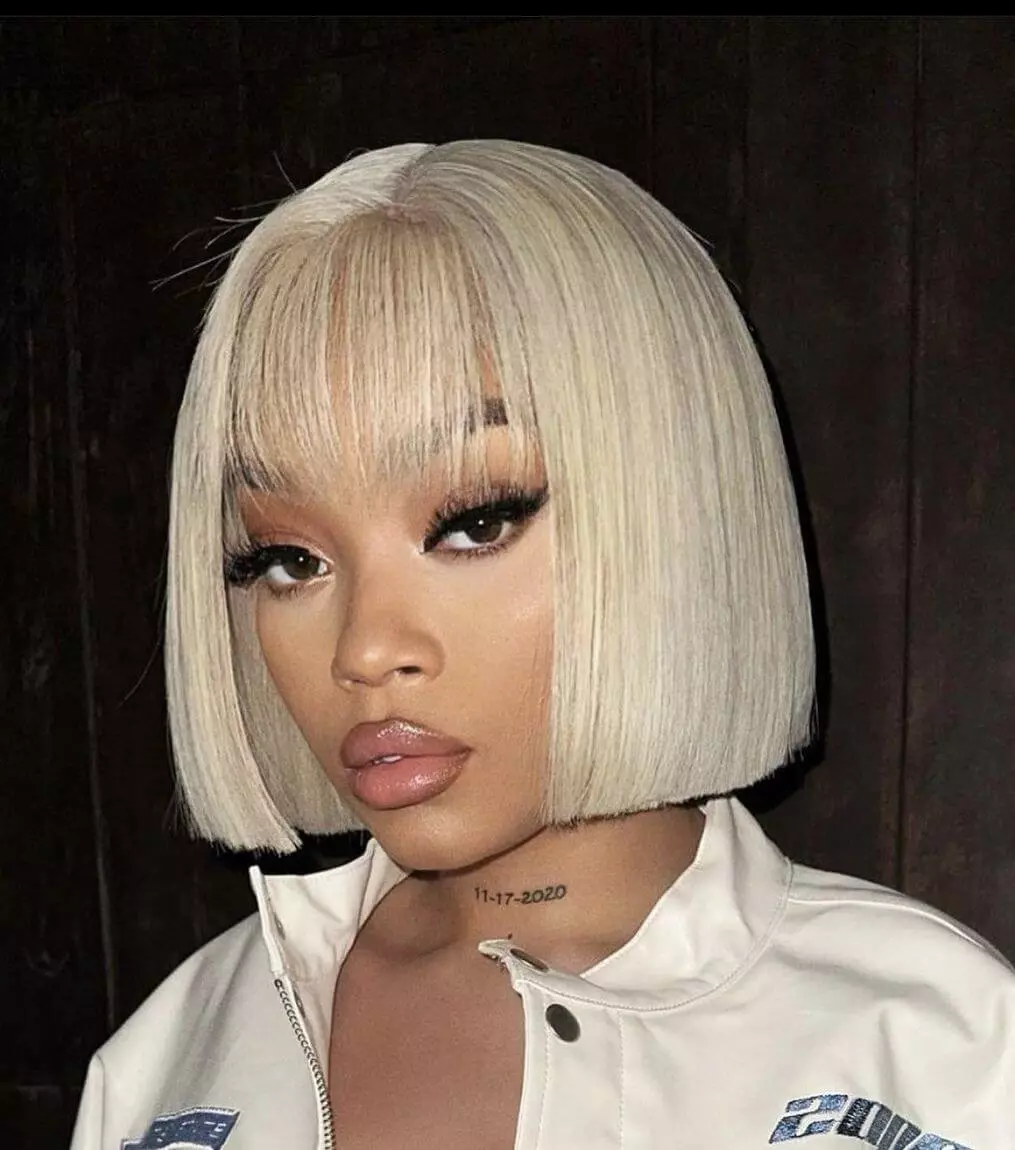
Blunt cut bob with dark brown to blonde Ombre
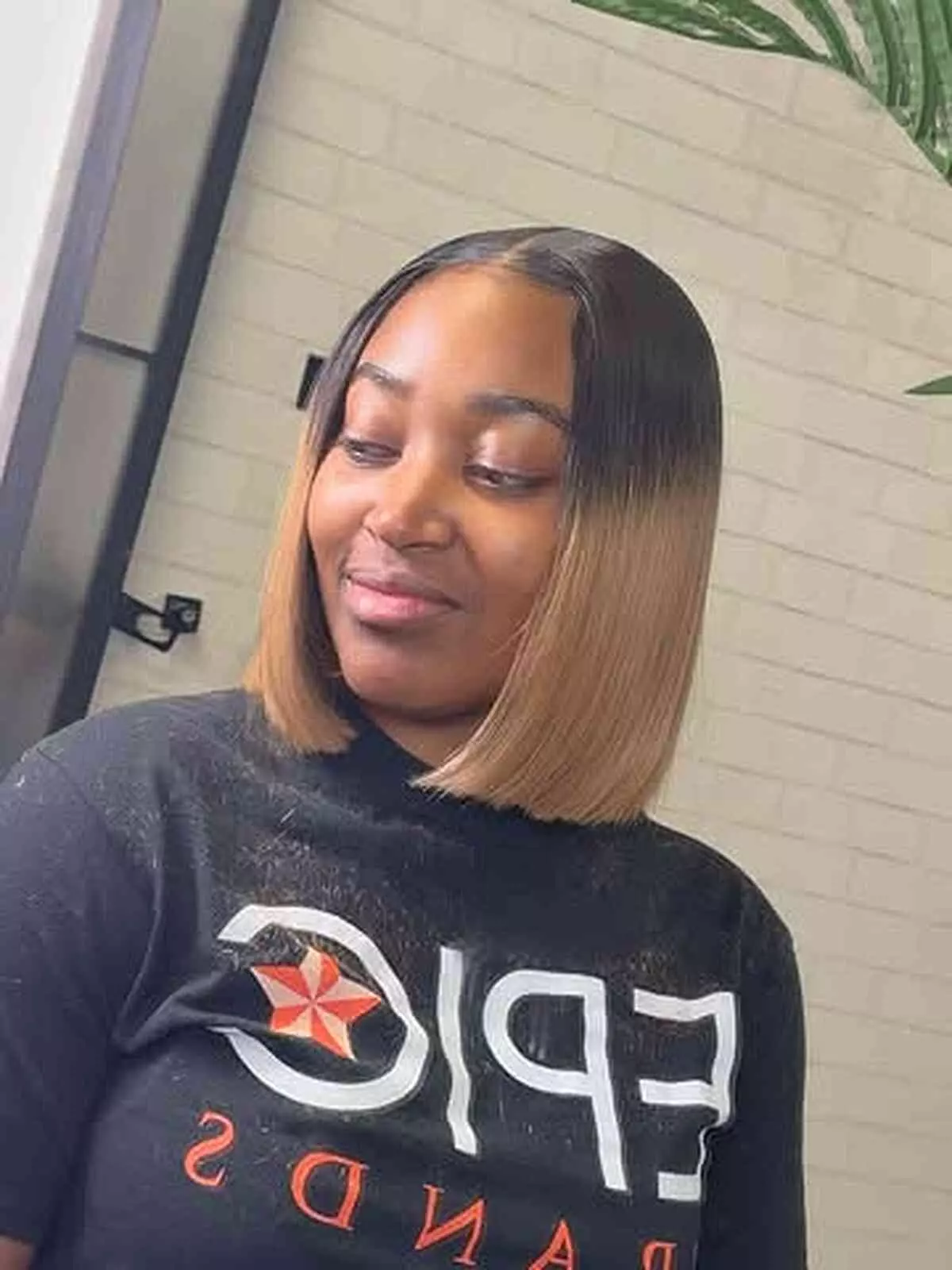
A blunt bob does not forgive a crooked line, which is exactly the point. The cut lands at a clean, even hem, no layers, no wispy ends. The color transitions from dark brown roots to a warm blonde ombre at the tips, a two-tone effect that works because the bob is short enough to show the shift. The straight fine texture holds the sleek finish well. This is a salon-only cut; the blunt edge requires a steady hand and sharp shears. Use a flat iron for the neat finish, and tone the blonde ends every six to eight weeks to keep them from turning brassy.
Sleek straight black hair with a sharp middle part, close-up take
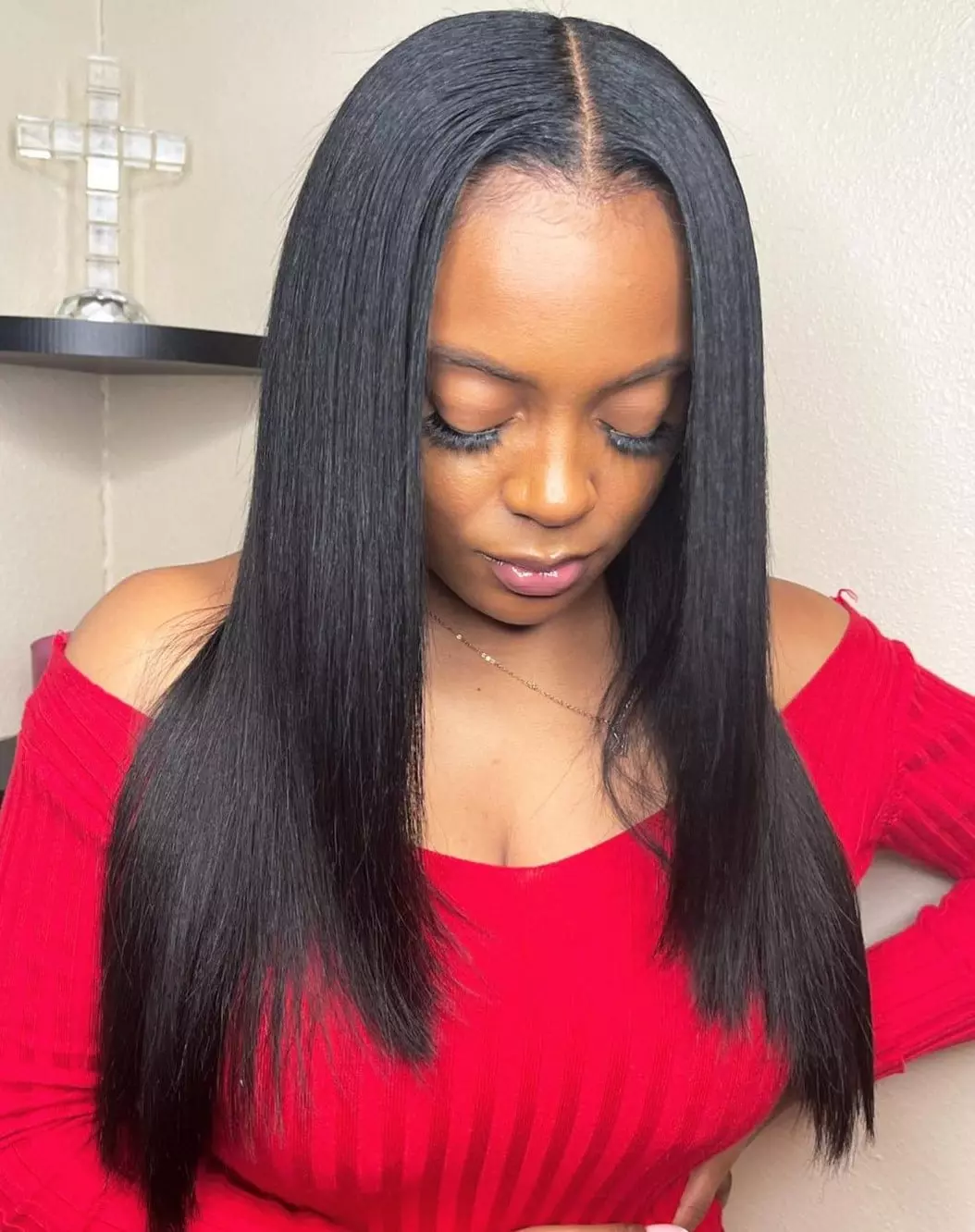
Fine hair gets the sharpest lines. The middle part here is precise, not approximate, and the subtle layers keep the length from hanging like a curtain. The black base and straight, sleek finish let the part do all the talking. The catch: this look exposes every uneven cut and every flyaway. Skip it if you prefer texture and waves or have very thick hair that struggles to stay sleek. Tell your stylist: long, straight hair, subtle layers, sharp middle part, sleek finish.
Side-swept bangs with a dark brown blowout
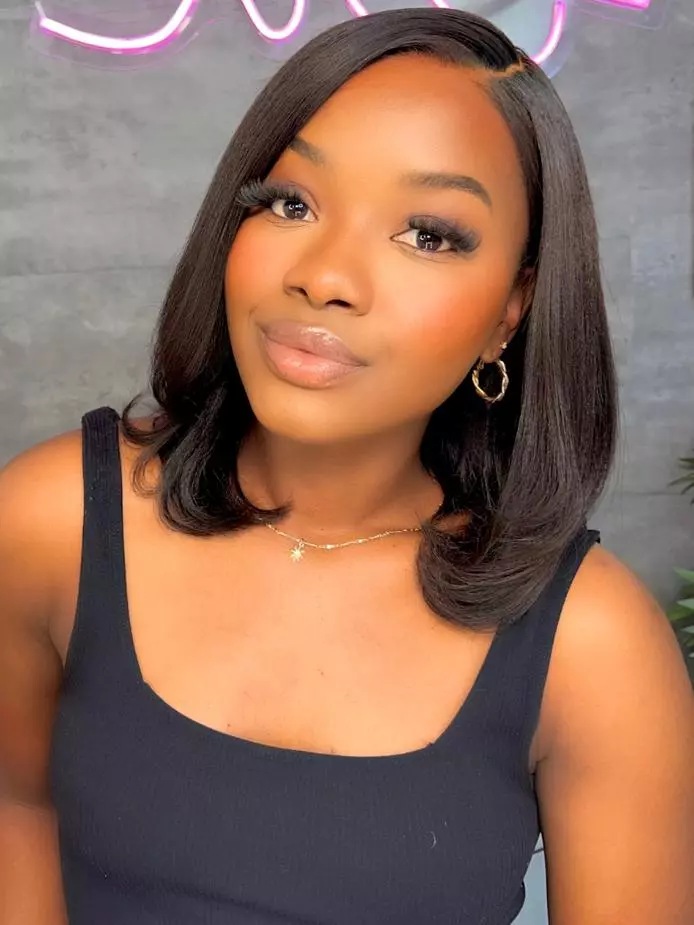
Dark brown with a smooth blowout and a deep side part. The side-swept bangs are the focal point here. Thick, straight hair starting at shoulder length or longer gives you the weight needed to keep that sweep in place all day. The subtle layers add just enough shape without competing with the bangs.
Blow-dry those bangs with a round brush every wash day. The hold is solid. This style typically lasts from morning to evening.
High voluminous bun with face-framing tendrils
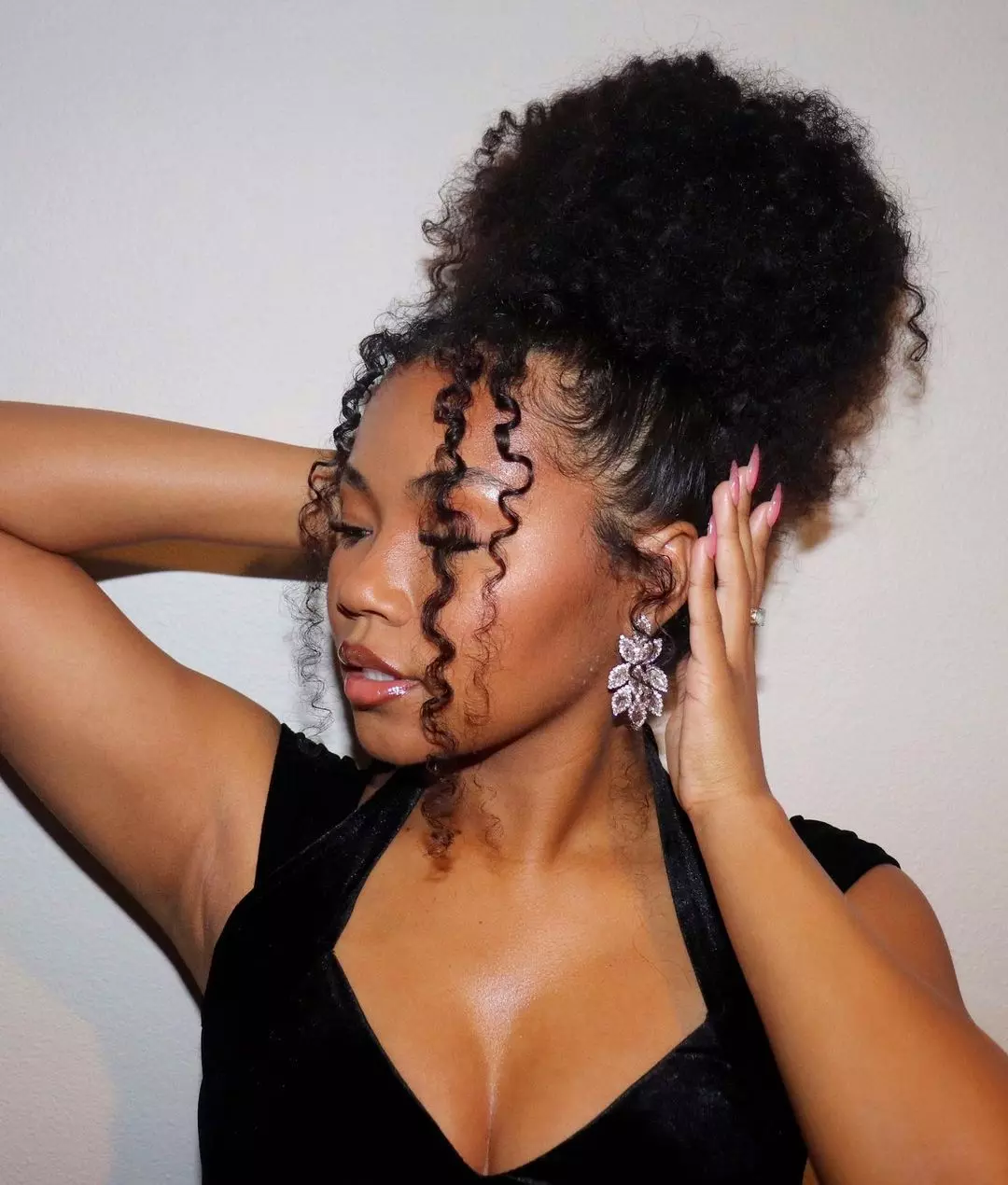
Thick, curly black hair gathered into a high voluminous bun. The loose tendrils framing the face keep it from feeling severe. The middle part anchors the whole structure. This works best with thick, curly hair that can hold its own shape. Fine hair may not achieve the same volume. Ask your stylist for: high voluminous bun, loose tendrils framing face, curly texture. A strong hold hairspray keeps the bun in place; style the tendrils with a curling iron for definition.
Braids with wavy curly textures and baby hairs
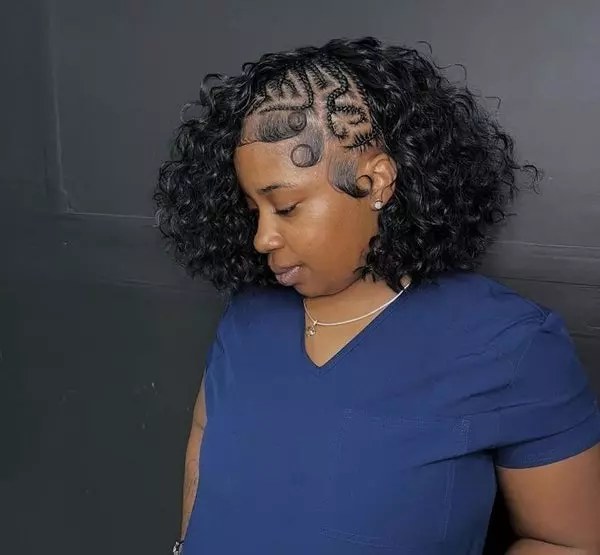
This one works best on thick hair of any length, the intricate braids on the side anchor the whole look while the wavy and curly textures add volume. Baby hairs styled along the hairline give it that salon-fresh finish.
Keep those braids moisturized with a light leave-in. Refresh the curls with a styling cream every few days. The hold is solid. The braids keep everything anchored while the curls soften the edges.
Dark brown to blonde Ombre with loose waves
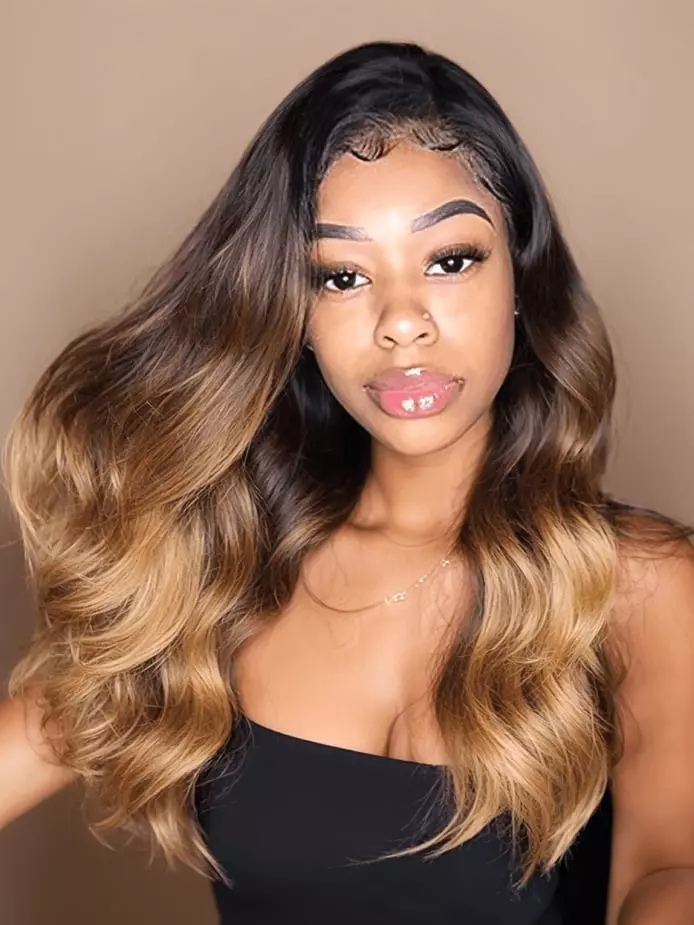
Compared to a single-process dark brown, this long layered cut with a dark brown to blonde ombre and loose waves offers more visual depth, but it also demands more chair time. The side part and loose waves keep the transition from looking grown out. It works best for thick hair that holds volume. Ask your colorist for: long layers, dark brown to blonde ombre, loose waves, side part. The drawback: the blonde ends need a toner visit every six to eight weeks, or they shift brassy.
Layered bob with voluminous dark brown waves
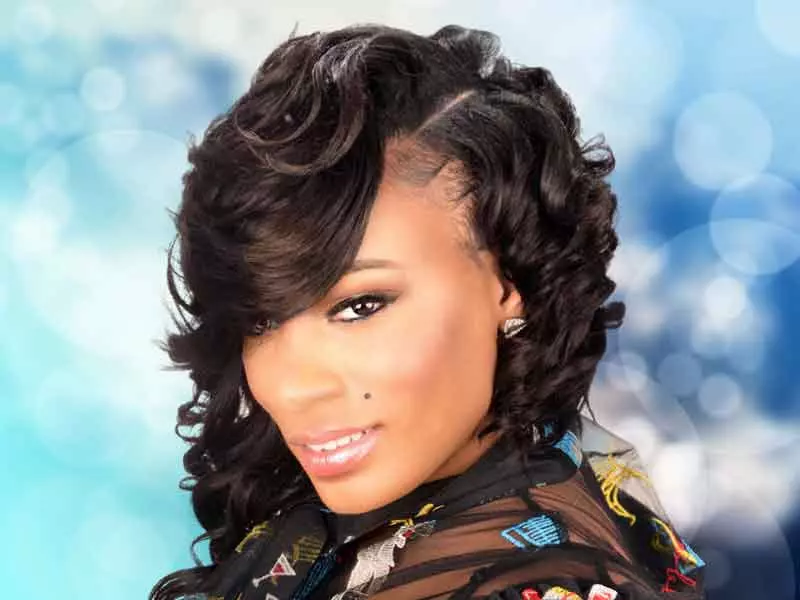
A layered bob with voluminous dark brown waves and a side-swept bang. The deep side part gives it that extra lift at the crown. Thick hair holds these waves best; the layers keep the shape from turning into a triangle. Use a curling iron to enhance the waves between washes.
Long flowing waves with subtle lighter ends
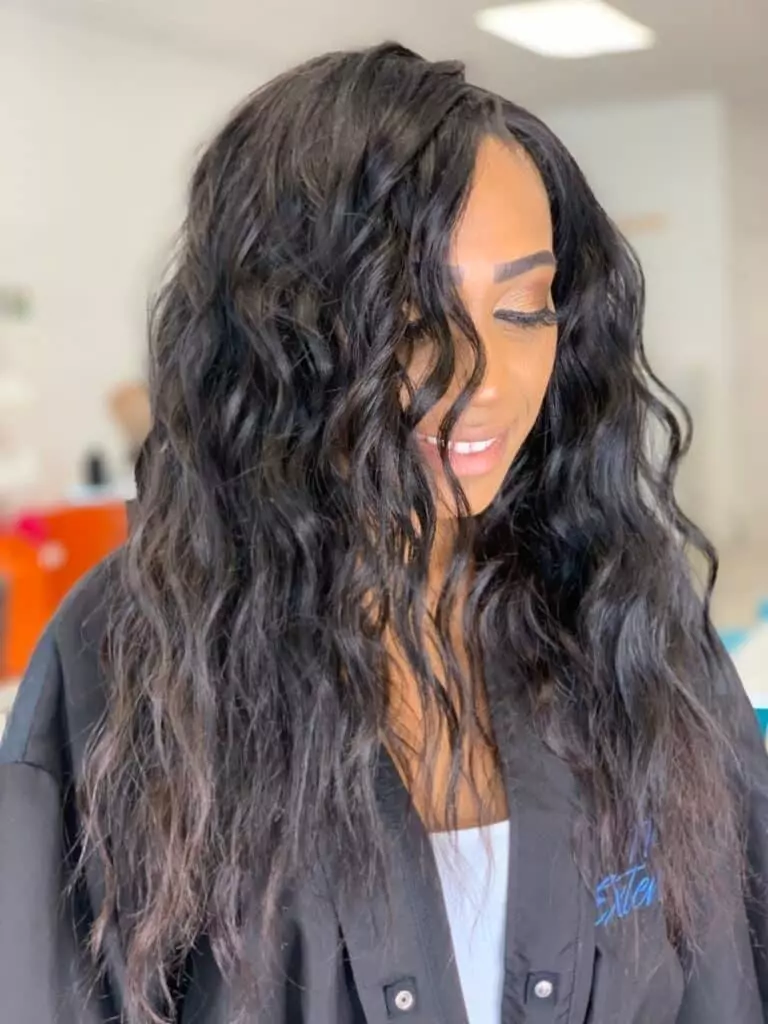
Long, flowing waves with subtle lighter ends rely on a side parting to show the color transition. The dark brown base shifts just enough at the tips to catch attention. Thick, wavy hair holds this shape best; the layers are cut to encourage movement, not fight it. A straight finish or very fine hair that struggles to keep volume past lunch is not ideal. Ask your stylist for: long flowing waves, subtle lighter ends, side parting, loose waves. A curling iron speeds up the wave reset, but the real work happens in the chair.
Soft waves with blonde highlights swept to side
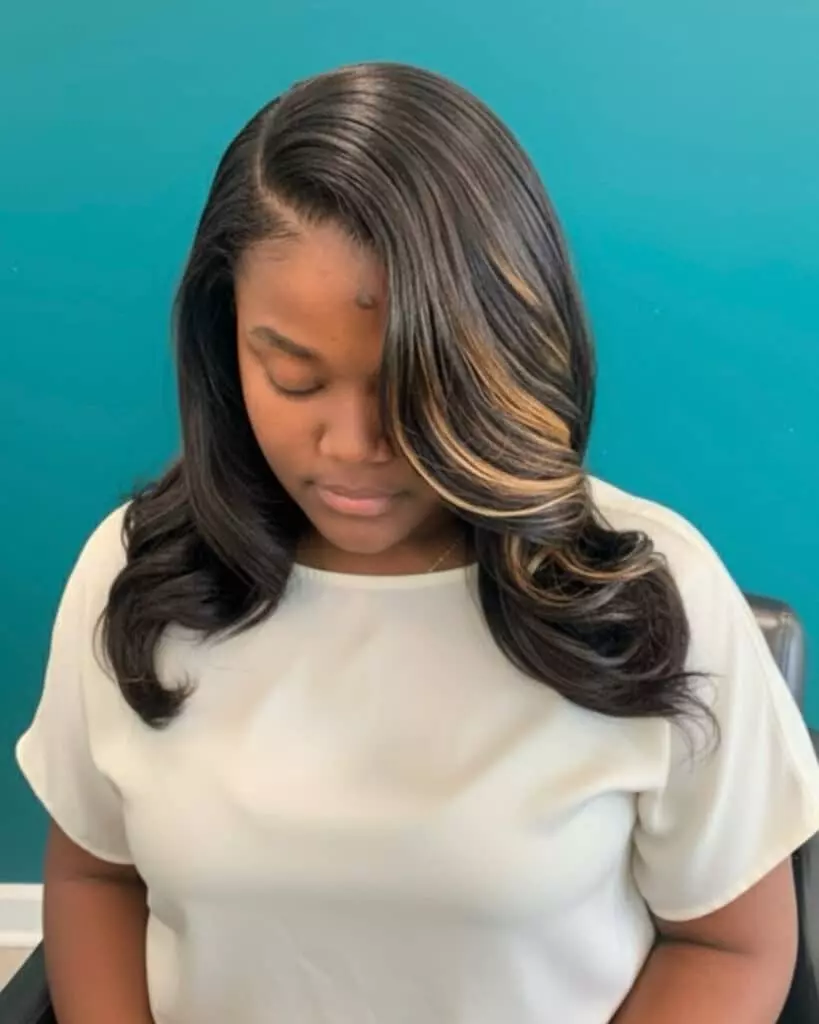
Soft waves with blonde highlights swept to one side land somewhere between a blowout and a formal curl set. The deep side part anchors the volume, while the blonde pieces break up the dark brown base at regular intervals. Thick hair of any length works, but the texture needs enough body to hold the wave pattern past an hour. Daily styling is required, and very fine hair may not have enough density to support the look. This is an event-ready style that relies on the highlight placement to make an impact. A toning session every six to eight weeks keeps the blonde from turning brassy.
Wavy blowout with subtle highlights and a deep side part
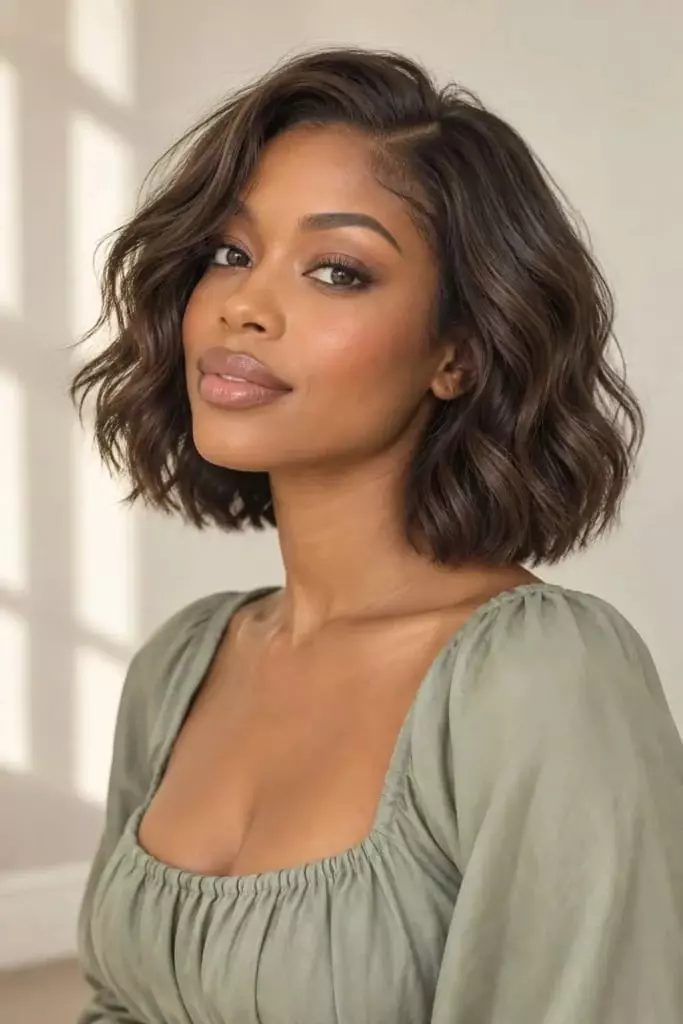
This one is a salon-leaning technique that starts with soft wavy layers cut into dark brown hair. The subtle highlights are placed to catch light at the bends, and the deep side part gives the blowout its lift. Thick, wavy texture holds the volume without a fight. Ask your stylist for: soft wavy layers, dark brown with subtle highlights, deep side part, voluminous blowout. A round brush and a blow dryer are the tools for the weekly reset.
Jet black hair flowing freely with middle part
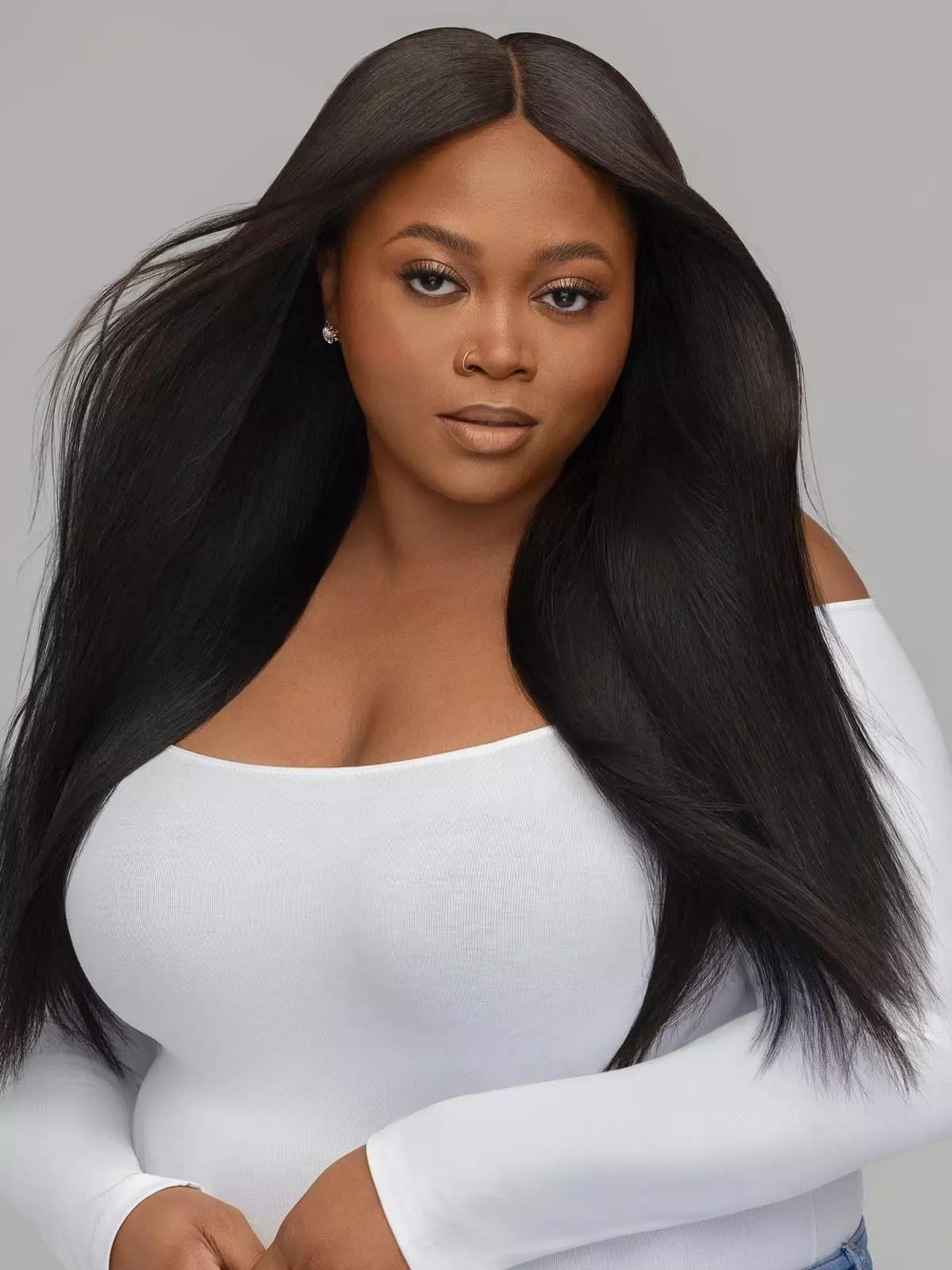
A middle part demands symmetry, and jet black hair makes every line visible. The long, straight strands have subtle layers cut in to prevent the weight from pulling flat. Fine to medium texture works best here; thick hair can feel heavy when left to fall straight. Skip it if you prefer texture and waves or have very thick hair that resists a sleek finish. The words for the chair: long, straight hair, subtle layers, middle part, natural flow. That phrasing tells the stylist you want movement, not a stiff sheet. A flat iron smooths any flyaways, but the real hold comes from the cut itself.
Bouncy curls with flawless hairline and side part
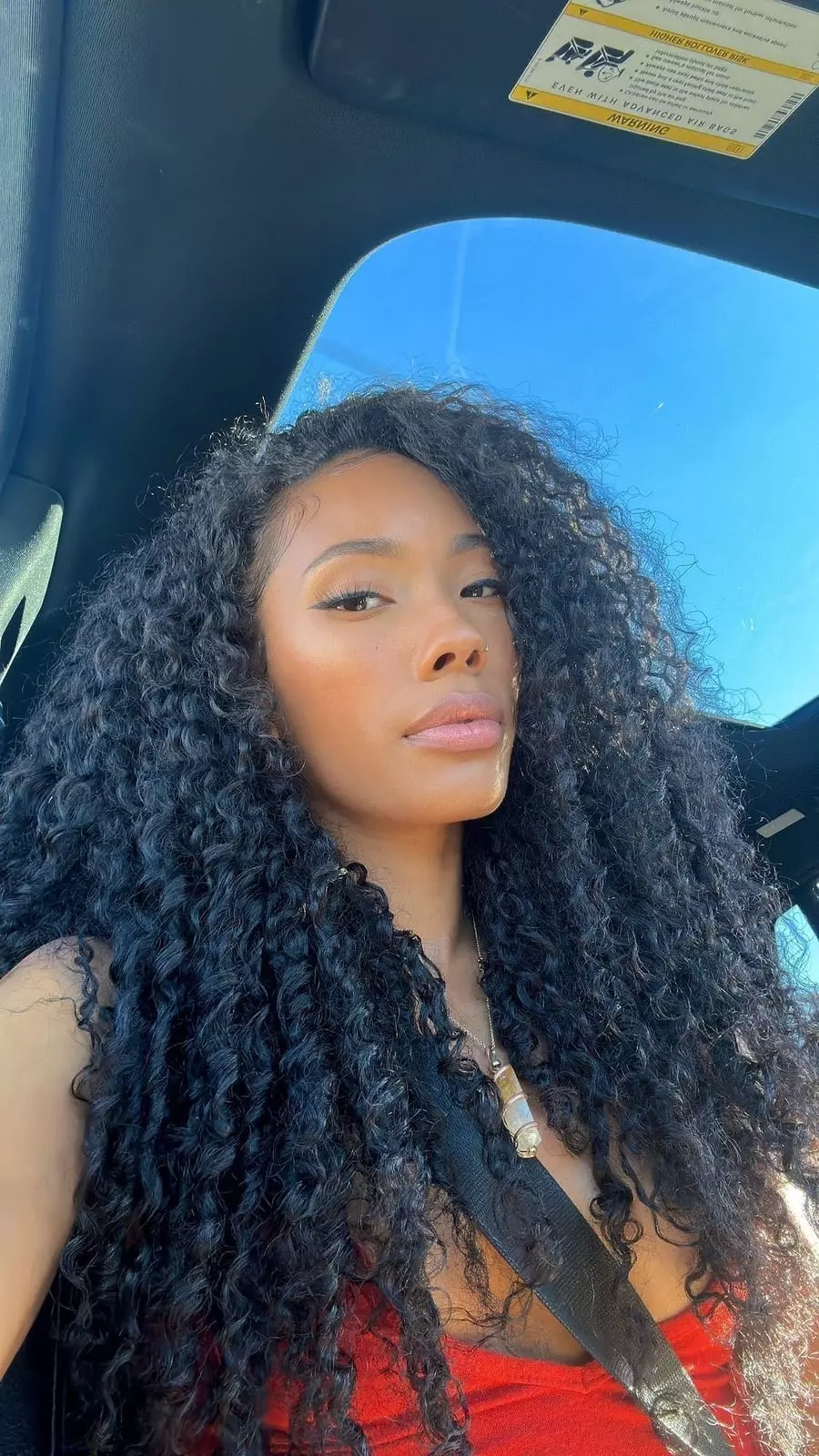
Voluminous curls at mid-back length require commitment. The deep side part and air-dried texture give the illusion of effortlessness, but the reality is a salon-leaning install that takes time to get right. Thick, wavy hair is the ideal candidate; the curls need density to look bouncy rather than sparse. The one real drawback: refreshing the curl pattern means either a diffuser or a full air-dry reset, and water alone won’t do it. Ask your stylist for: deep side part, voluminous bouncy curls, mid-back length, air-dried texture. A styling cream and a spritz of water bring the shape back between washes. The flawless hairline is the payoff for a careful install.
Cornrow braids with long dark curly hair and a middle part
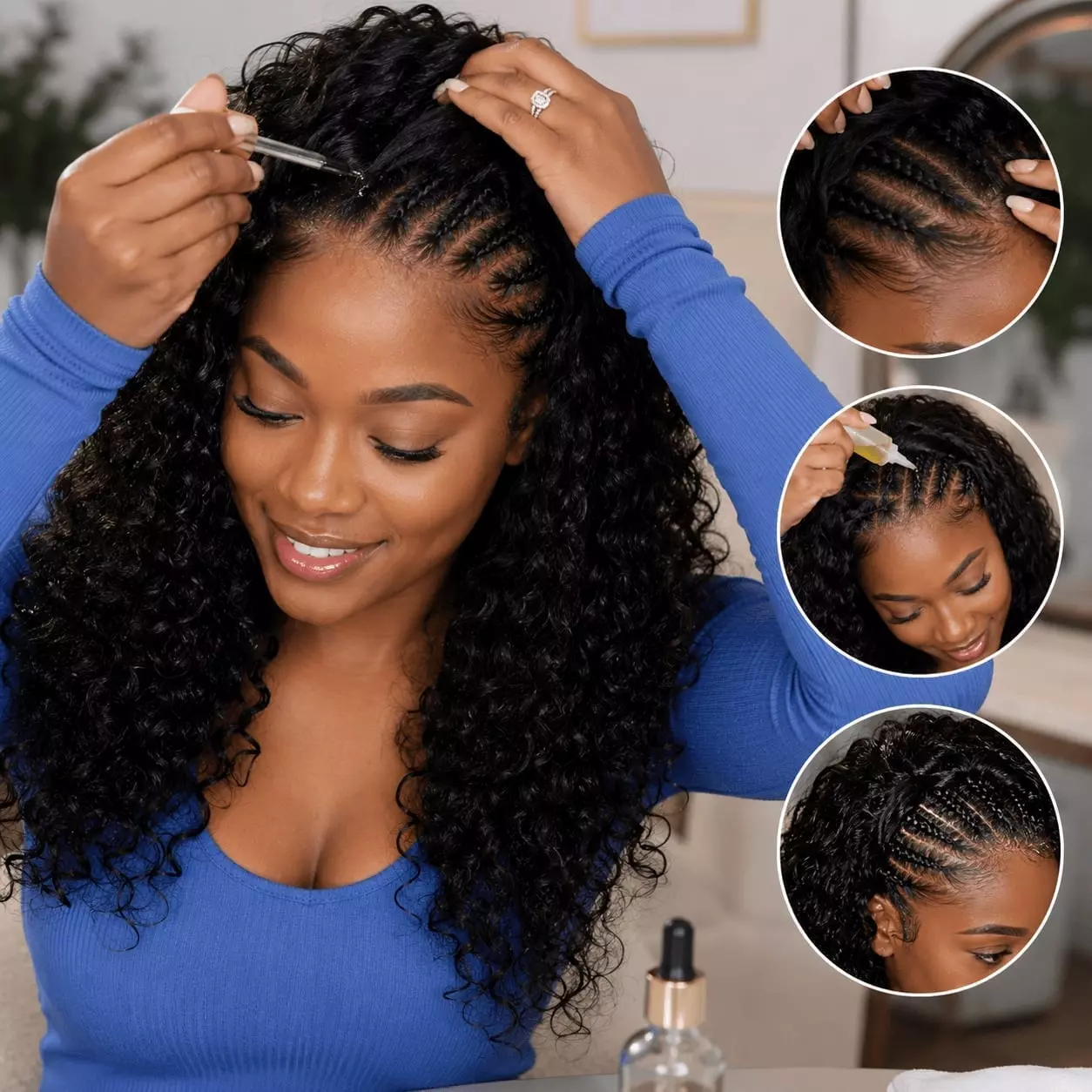
Two braided styles can look alike until you check the crown. This one keeps cornrow braids tight at the top, then drops into long loose dark curly hair with a clean middle part. You need thick curly hair of long length to make the transition hold. Not for fine hair that struggles to keep braids anchored. The middle part keeps the braid pattern visible and balanced. Styling is straightforward: keep the braids moisturized, refresh the curls with water and curl cream, and the look holds its shape. The braids add grip at the root while the curls move freely below.
Final Thoughts
Pick the sew-in that matches your morning and your mirror.
- Fine hair: choose a blunt bob for density.
- Ten minutes in the morning: go for loose waves with a side part.
- Cool base that pulls brassy: use a purple shampoo weekly.
- Trim every 6-8 weeks to keep the shape sharp.
Find the dreamy sew-in that fits your lifestyle and makes you feel amazing.